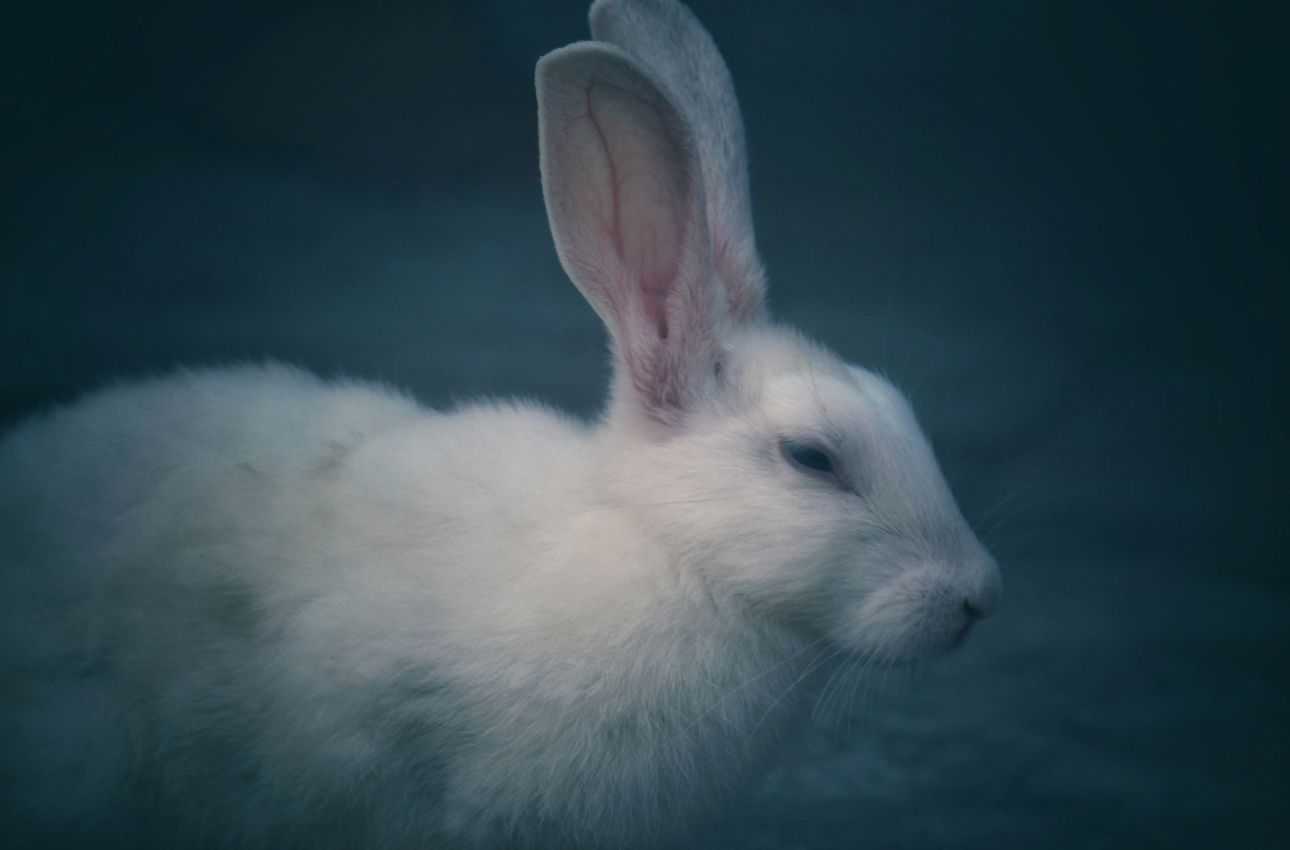
Animal testing has no place in the beauty industry — yet, despite bans across the EU and beyond, it persists. Here’s what to look for on the label, and five brands you can trust.
By: Barbara Hämmerl
Despite bans in the EU and a handful of other countries, animal testing remains, frustratingly, a live issue in the beauty industry. In China, for instance, it’s still permitted by law.
If you want the certainty that your beauty routine has nothing to do with animal testing, a few certification seals make it easy to check at a glance.
Leaping Bunny
This seal is recognized internationally. To earn it, a company must commit to conducting no animal testing and commissioning none either — and it may have no ties to businesses that do.
The Protective Hand Rabbit (IHTK)
The German Animal Welfare Federation awards this seal to companies producing cruelty-conscious natural cosmetics that pledge never to accept animal testing.
Certified Natural Cosmetics (BDIH) and NATRUE
NATRUE builds on the BDIH seal, and both prohibit any ingredient or product whose manufacture or testing has ever involved animals — including raw materials that were tested on animals before the first bans took effect.
Five brands you can trust
More and more labels are cutting animal testing out of their supply chains entirely. Here are five that are completely cruelty-free, no caveats:
Lavera
Lavera rejects animal testing outright, and most of its range is vegan. The brand is also an active advocate for environmental protection and has achieved climate-neutral status, channeling its carbon-offset certificates into a rainforest conservation project in the Amazon. Social responsibility and sustainability run through everything Lavera does. It’s NATRUE certified, and its products even carry an organic seal.
Worth noting: Lavera’s lip care products are gluten-free, so they’re a safe pick for anyone with gluten intolerance too.
Jungglück
This company builds its philosophy on three pillars: honesty, sustainability, and accountability. It’s refreshingly transparent about its ingredients — 100 percent vegan — and firmly opposed to animal testing. You also won’t find harsh surfactants, synthetic fragrances or dyes, microplastics, mineral oils, silicones, or parabens in any of its formulas.
Jungglück’s range spans premium skincare, face care, and baby care, and it recently launched a solid-cosmetics line that skips packaging altogether.
Und Gretel
Founded by a professional make-up artist who wanted a natural cosmetics line that could hold its own on set, Und Gretel carries the BDIH certification and states plainly on its website that it rejects animal testing.
The brand doesn’t just make decorative make-up that rivals conventional formulas — its skincare range is excellent too.
Burt’s Bees
Best known for its lip care, Burt’s Bees also carries a wider range of creams and lotions. Because its formulas use organic honey, the products aren’t vegan, but animal testing is categorically off the table. Environmental responsibility runs deep in the brand’s DNA, from recyclable packaging to sustainably sourced ingredients.
Ave+Edam
Ave+Edam stands for high-performance facial care free of microplastics, silicones, petrolatum, and parabens — and for genuine innovation.
Its skin creams aren’t mass-produced; they’re formulated for you, personally. The founders understand that no standardized product can suit every skin type — after all, every skin is unique. On the Ave+Edam website, an in-depth skin test analyzes exactly what your skin needs, then translates those findings into a bespoke blend of ingredients, so your facial care is made for you and no one else.