© Shutterstock
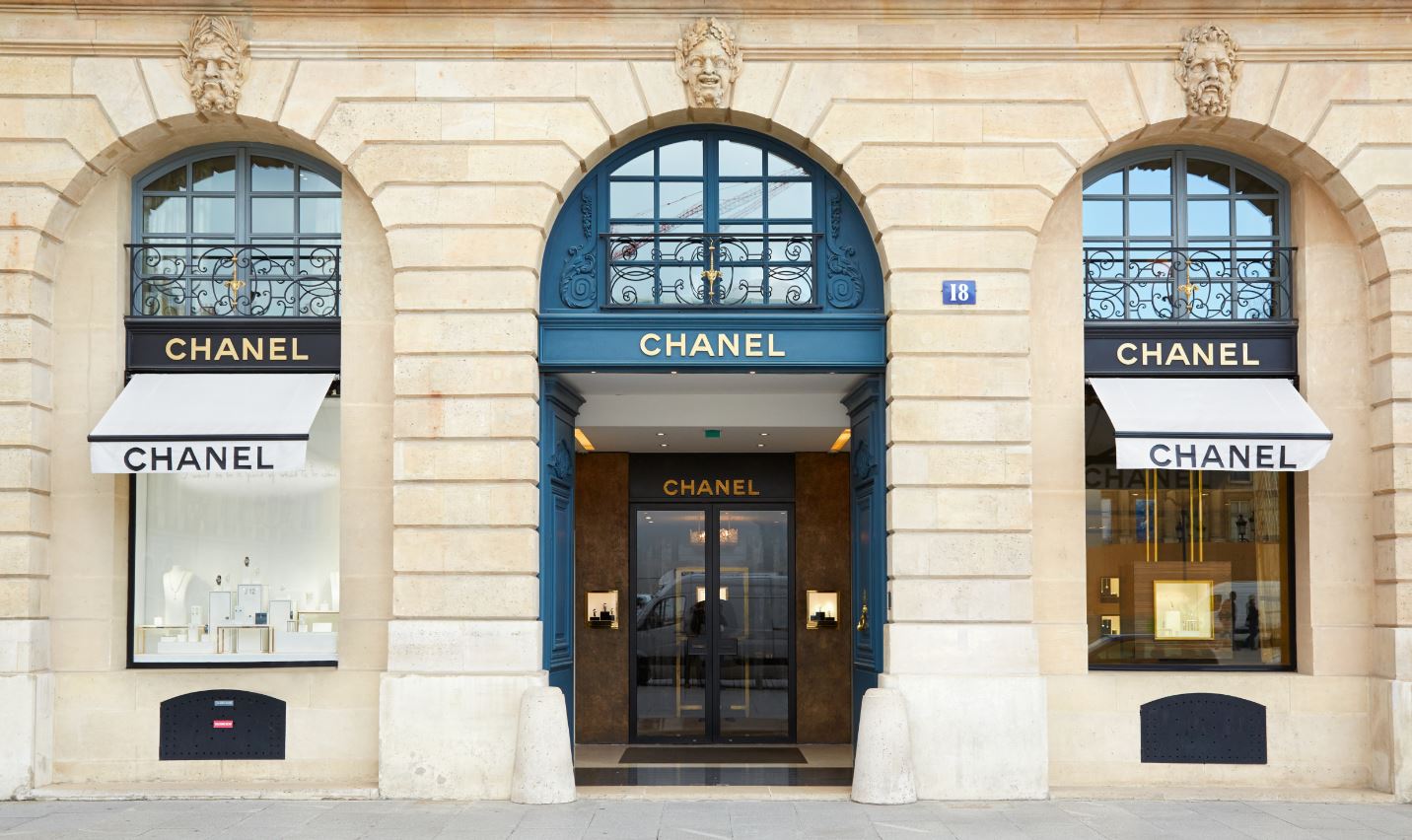
In an era of rising environmental awareness and growing concern for animal welfare, Chanel has made “No more croco for Coco” its guiding principle.
By Bianka D. Melein
The Parisian fashion house has taken a landmark step, deciding to stop using exotic animal leather and fur altogether — a decision championed by Bruno Pavlovsky, president of Chanel’s fashion division.
Chanel is dropping fur, and from now on will use only animal hides sourced as by-products of the food industry, material that was previously treated as waste. “We will now only use skins from animals that come from the food industry as a by-product,” said Bruno Pavlovsky. The shift marks a significant step toward sustainability and animal welfare — and fur itself will disappear from the collections entirely as of May.
Traceability and Biotech Leather: Chanel’s Road Ahead
The main driver behind this sweeping shift in sourcing is the sheer difficulty of verifying, beyond doubt, where exotic leathers like crocodile, lizard, snake, and stingray actually come from. “The reason for moving away from crocodile, lizard, snake, and stingray leather is that it’s too difficult to guarantee their origin,” Pavlovsky explained. That lack of clarity simply doesn’t square with the high ethical standards Chanel holds itself to. “More and more customers want to know where our materials come from and how the animals were raised. It all comes down to traceability,” Pavlovsky said.
Traceability of materials will be central to Chanel’s philosophy going forward. “Only through tracing its origin can leather meet the Maison’s ethical standards,” Pavlovsky stressed. He even floated the possibility of a future shift to biotech leather, once the technology matures — “though that won’t happen in the near future,” he added. Even if it’s not on the immediate horizon, the idea signals Chanel’s spirit of innovation and its commitment to a more sustainable, more ethical fashion industry.
With this move, Chanel isn’t just making a statement for animal welfare and the environment — the house is also proving that luxury and ethics can coexist. It will be worth watching how other luxury brands follow suit as the industry moves toward a more sustainable future.