
Leather, without the cruelty? More and more brands are turning to sustainable alternatives. Here’s how innovative materials are replacing conventional leather, and which labels are leading the charge on sustainability.
By Catherina Marie Lugmayr
Leather shoes are timeless classics that work with countless outfits, whether paired with a sharp suit or a casual weekend look. But leather production is often deeply problematic — it harms animals and burdens the environment through the use of toxic chemicals. These days, vegan alternatives offer solutions that are kinder to both animals and the planet.
A Shift Across the Fashion Industry
The fashion industry faces significant challenges, not least because of its environmentally damaging manufacturing processes. Leather production in particular raises both ecological and ethical concerns: it demands enormous quantities of water, and the chemicals involved pollute rivers and soil. Animals suffer too, killed for their hides. As consumer environmental awareness continues to rise, the fashion industry has begun rethinking, and reshaping, its practices.
Vegan Materials for Sustainable Shoes
Given the problems inherent in leather production, vegan shoes made from plant-based leather alternatives are steadily gaining popularity. These shoes contain no animal-derived materials whatsoever and support a more environmentally conscious way of shopping. They’re more than a passing trend — they’re a statement about sustainability and ethics, and visually, they hold their own against conventional leather without compromise.
A wide range of leather alternatives has emerged using innovative materials like cork, apple leather, wine leather, mushroom leather, pineapple leather, corn leather, and cactus leather. Each comes with its own advantages and distinct qualities. Here, we round up the best leather alternatives and the most beautiful models currently on the market.
SASHAY — Apple Leather

Apple leather has firmly established itself in sustainable fashion. It’s made primarily from pomace — the leftover skins, stems, and cores from apple juice production, which are rich in cellulose and provide structural strength. These finely ground apple remnants are blended with polyurethane to achieve the necessary durability, then applied to a base fabric like cotton or polyester. The result is an efficient transformation of apple waste into a durable, high-quality material — ecologically sound, robust, and versatile.
The Swiss brand SASHAY is dedicated to crafting classic, timeless shoes from apple leather. With its clear commitment to quality, sustainability, and ethics, SASHAY is redefining conscious luxury — stylish and elegant, without compromise.
NOAH Italian Vegan Shoes — Wine Leather
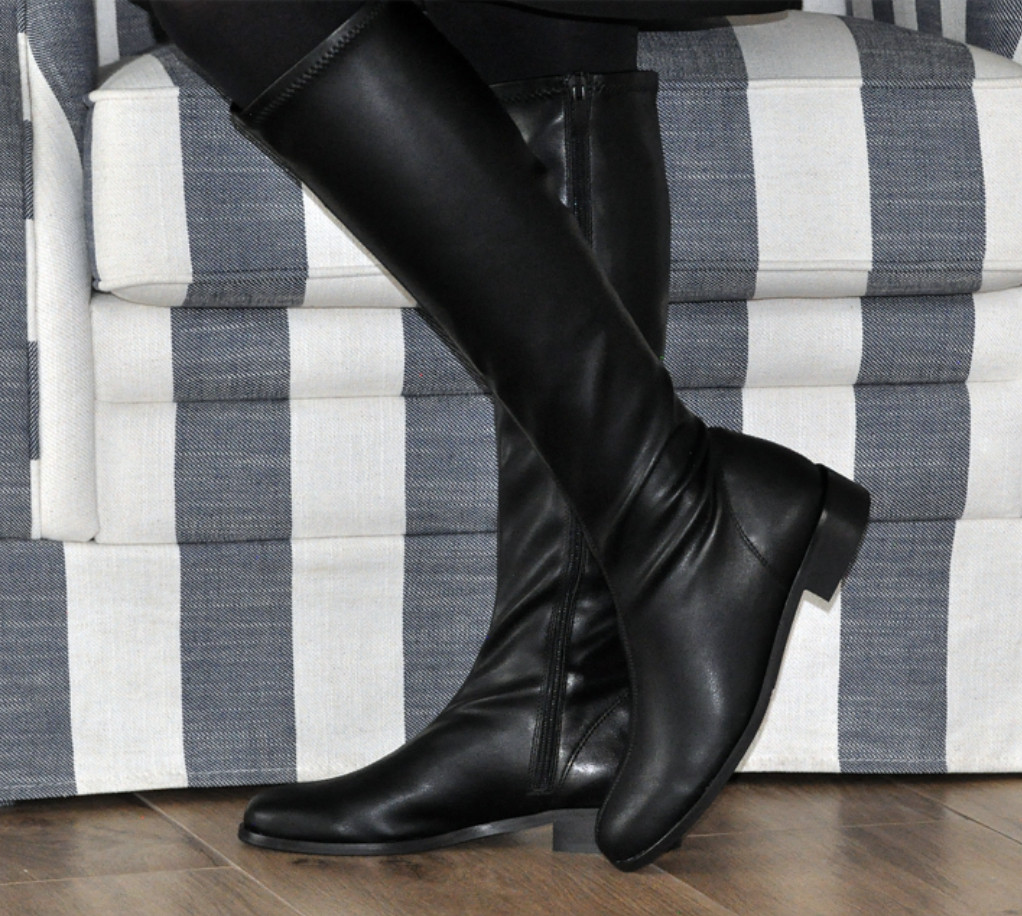
Wine leather has emerged as a sustainable alternative to leather, built around a genuinely innovative upcycling approach: made from the waste of wine production, it turns what would otherwise be discarded residue into a premium material. Visually, wine leather is nearly indistinguishable from real leather, and it also offers water-resistant, durable, low-maintenance properties. These qualities have made it attractive across a range of industries, from fashion to automotive.
Wine leather is also gaining ground in footwear. The Italian brand NOAH has embraced the animal-free material, crafting stylish shoes that combine Italian design with genuine quality. Since 2022, NOAH has planted a tree for every order placed — a mark of its broader commitment to sustainable fashion that harms neither animals nor the environment.
MoEa — Cactus Leather
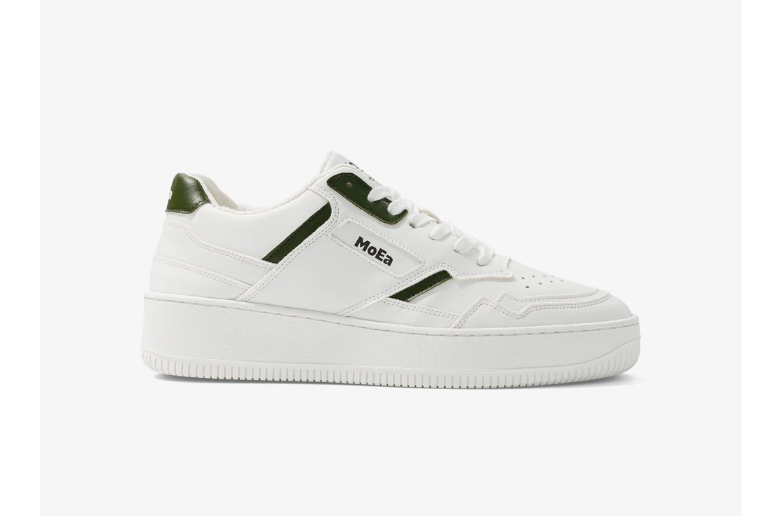
Cactus leather is increasingly recognized as a versatile leather alternative and has been adopted by numerous well-known brands. The material is made from the dried fibers of the nopal cactus, blended with polyurethane and applied to a textile backing. The nopal cactus itself offers real ecological advantages: as a natural carbon sink, it thrives in Mexico’s arid regions while requiring only minimal water. Cactus leather stands out for its softness, flexibility, and remarkable durability, giving it a genuinely long lifespan.
The sneaker world has embraced innovative materials too. The French brand MoEa draws on a broad range of plant-based fabrics to bring its sustainable vision to life. The brand name “MoEa” — short for “Mother Earth” — reflects its commitment to bringing fashion and environmental protection together, positioning sustainable sneakers as the future of the industry.
NAE — Cork
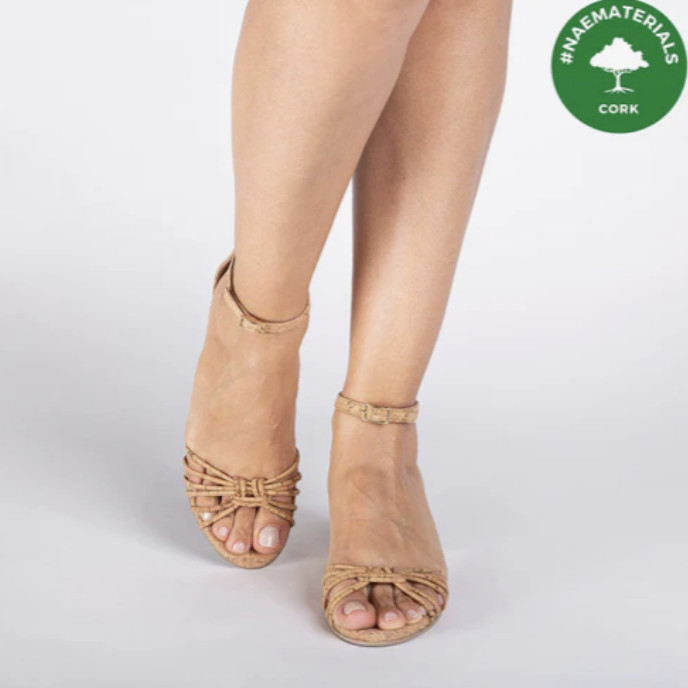
Within the world of vegan leather alternatives, cork has set a new standard. Originally sourced from Portugal, it’s harvested sustainably from cork oak trees, whose bark is stripped every few years to a thickness of 3 to 5 centimeters. Once harvested, the bark regenerates and can be harvested again. Cork production actually carries a negative carbon footprint, meaning it contributes positively to reducing greenhouse gases. Cork leather stands out for its softness, sturdiness, water resistance, and durability, making it especially popular in bag-making.
The brand NAE Vegan Shoes is built around stylish, high-quality shoes made from vegan leather. Its name — “NAE,” short for “No Animal Exploitation” — underscores its commitment to animal welfare. Every shoe and accessory is made in certified factories in Portugal, guaranteeing the highest quality and full transparency.
The Takeaway
The world of vegan leather alternatives is diverse and genuinely forward-looking. A whole range of plant-based materials has become established, each with real advantages of its own. More and more brands and designers are proving that sustainability and style can coexist harmoniously in footwear. When shopping, it’s well worth taking a close look at the materials listed, both on the brand’s website and on the label itself.