© Todd Quackenbush / Unsplash
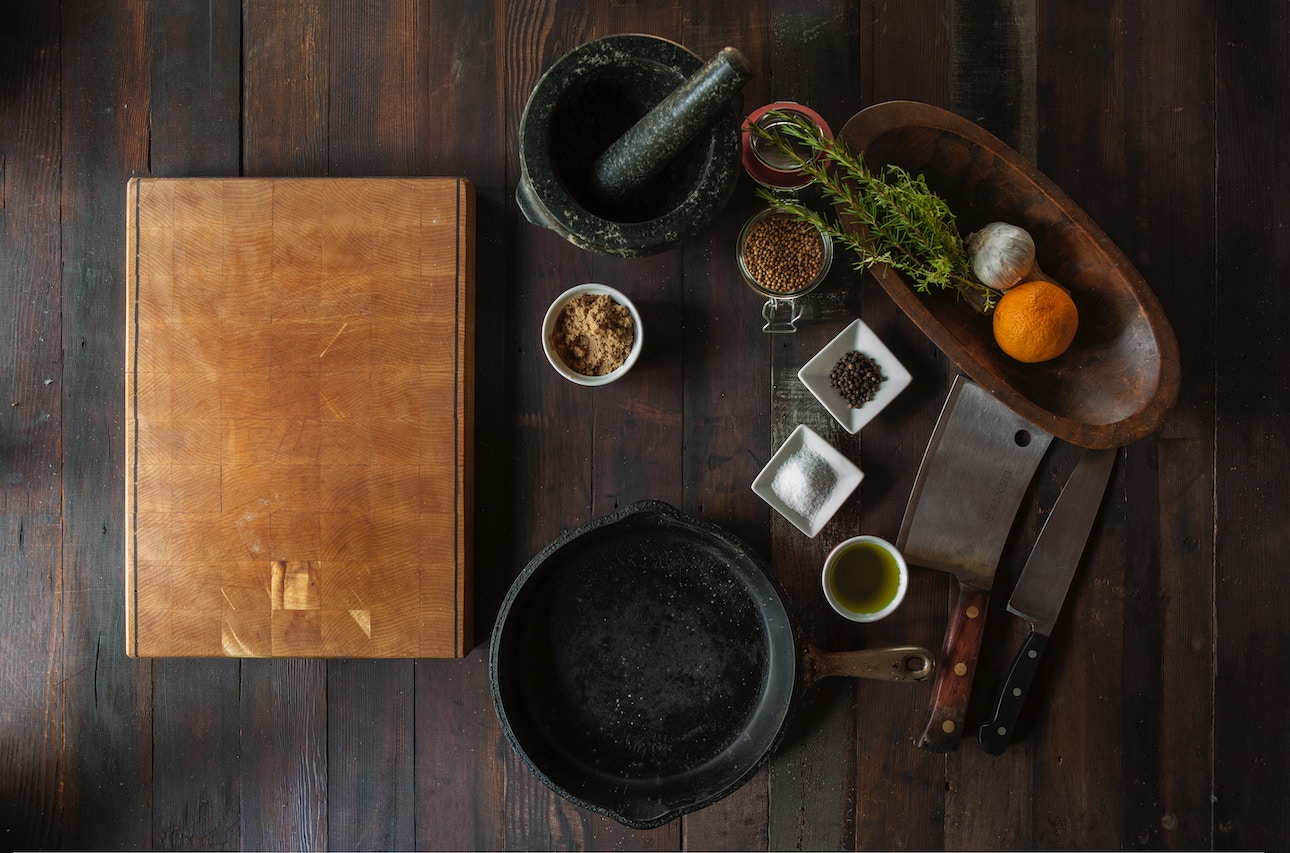
Careful — that frying pan could be doing more harm than good. Here’s our guide to eco-friendly, nontoxic cookware you can use with total peace of mind, and the kind you’d do well to avoid.
By Sascha Melein
Cast Iron: Cookware You Can Trust
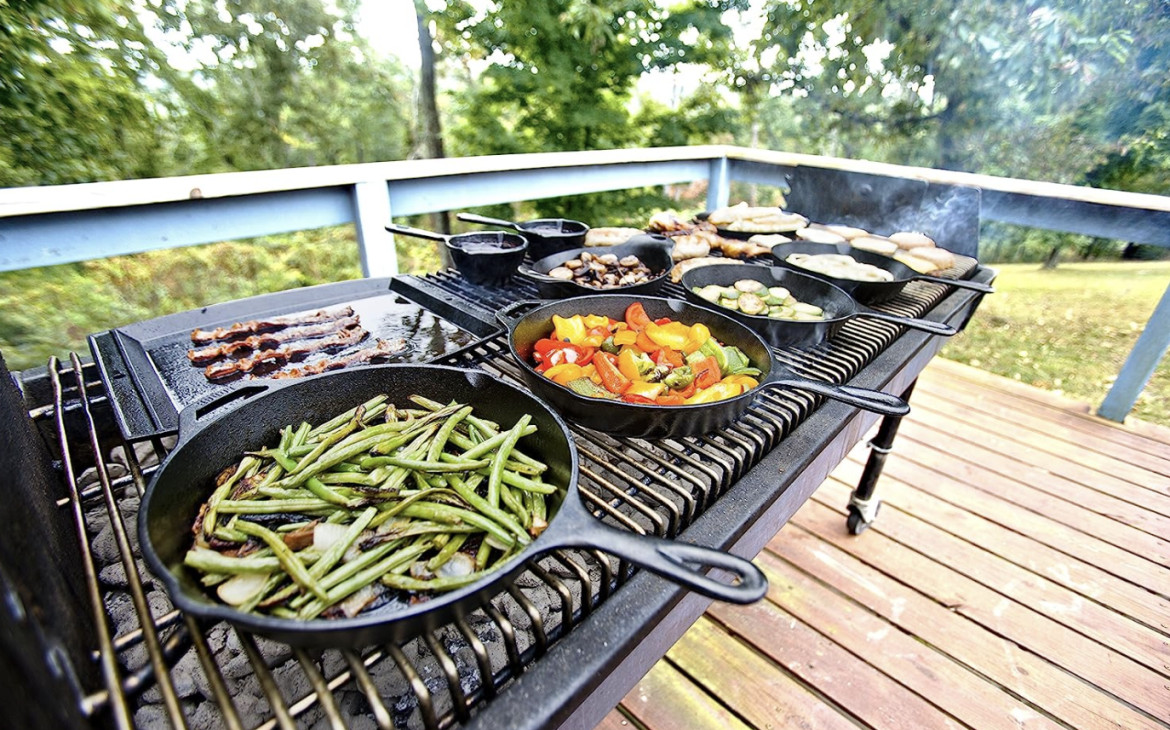
Cast iron cookware comes with several genuine health benefits:
No chemical off-gassing: unlike some coated cookware, which can release potentially harmful chemicals, cast iron carries no such risk.
No harmful coatings: cast iron skips coatings like Teflon or ceramic altogether, so there’s nothing to release harmful substances if the surface gets damaged.
Cooking without added fat: with the right care and seasoning, cast iron develops a natural nonstick surface over time, reducing how much fat or oil you need while cooking — good news for anyone watching their fat intake or following a low-fat diet.
In short, cast iron cookware is an excellent investment. It offers outstanding heat conduction, durability, versatility, and real health benefits, and with proper care, it can genuinely last a lifetime. You’ll find eco-friendly, nontoxic cast iron cookware from brands like Lodge.
Avoid: Teflon Pans
Teflon-coated cookware
The nonstick effect comes from a PTFE (polytetrafluoroethylene) coating, which can release toxic fumes at high heat — fumes capable of causing flu-like symptoms. Ask for guidance when buying a new pan; there are alternatives to nonstick cookware worth considering. Always check that the coating is intact, and retire any pan the moment you spot even a small scratch or crack.
Glass: Eco-Friendly, Nontoxic Cookware
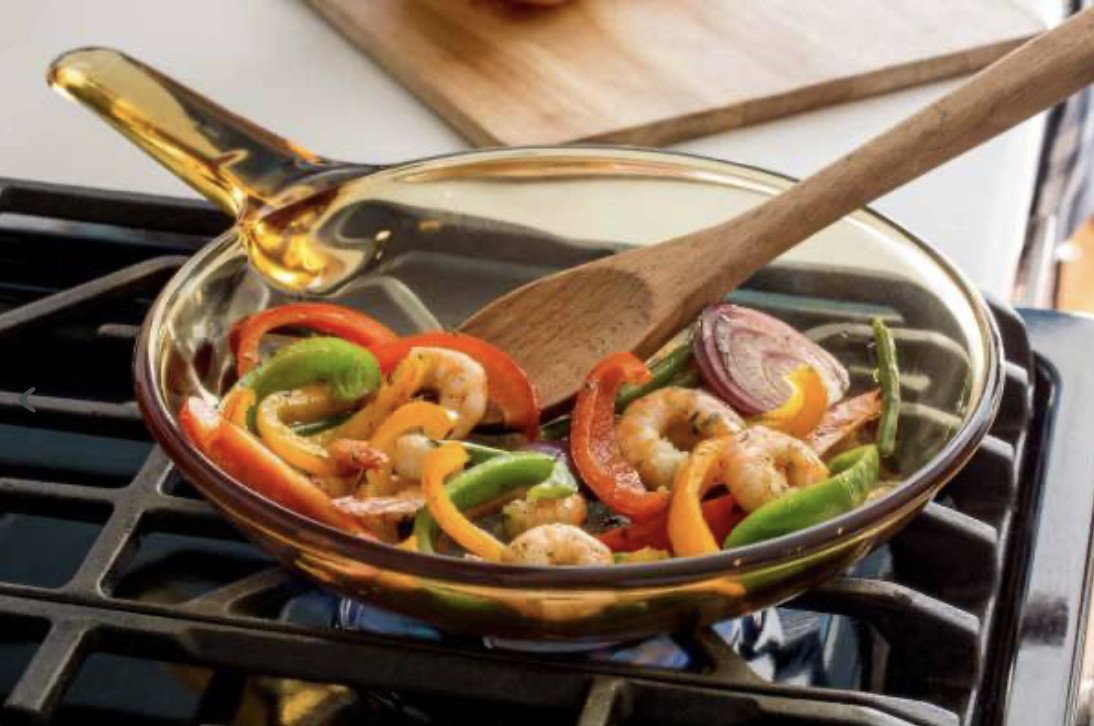
Glass cookware comes with a range of genuine health benefits:
No release of harmful chemicals: glass is an inert material that never leaches chemicals or metals into food. Unlike coated pans, where the coating can wear down and transfer into your meal, glass cookware carries no such risk.
Flavor neutrality: glass doesn’t affect the taste of food. It neither absorbs nor releases flavors or odors, letting the natural taste of ingredients come through.
Easy to clean: glass cookware is smooth and nonporous, making it easy to clean. It doesn’t absorb fats, oils, or residue, so bacteria and odors have nowhere to take hold — a thorough clean is always within easy reach.
Heat resistance: glass tolerates high temperatures well, both in the oven and on the stovetop, making it versatile enough for baking, roasting, braising, and steaming alike.
Visibility while cooking: glass’s transparency lets you watch the cooking process and check on your food without lifting the lid — better control, and food cooked exactly to the point you want.
Eco-friendly: glass is a sustainable, recyclable material. Choosing glass cookware helps cut down on plastic waste and supports a more environmentally conscious kitchen.
That said, glass cookware has its limits. It’s less durable than other materials and can break, particularly under sudden temperature swings, so it’s worth handling with care and protecting from knocks and drops.
Avoid: Aluminum Cookware
Aluminum has plenty going for it: it’s tough, lightweight, and recyclable. But it comes with one serious downside — it’s a neurotoxic metal. Elevated aluminum levels have been shown to correlate with various central nervous system disorders, including Alzheimer’s and ALS. Coatings on aluminum cookware can chip away easily, letting food come into direct contact with the metal.
Stainless Steel: Safe and Hygienic
Versatility: stainless steel cookware works across a wide range of cooking techniques and ingredients — frying, braising, boiling, steaming, even making sauces. It performs equally well on the stovetop and in the oven.
Safety and durability: stainless steel is a safe, long-lasting material with no harmful chemicals or toxins that could leach into food. It’s also corrosion-resistant, rust-proof, and impact-resistant, making it a genuine long-term investment.
Flavor neutrality: stainless steel doesn’t alter the taste of food. There’s no reaction between the food and the cookware, so meals taste clean and unaltered.
Easy to clean: stainless steel is smooth, nonporous, and stain-resistant. Food residue and grease wipe away easily, often with just warm water and mild dish soap, and it’s dishwasher-safe too.
Heat resistance: stainless steel handles high temperatures with ease, in the oven or on the stove, and can even withstand extreme heat for high-temperature searing — opening the door to a wide range of cooking methods.
Even heat distribution: stainless steel spreads heat evenly across the cooking surface, avoiding hot spots and cooking food more uniformly — and giving you better control over the process.
Hygienic: stainless steel is a genuinely hygienic material, easy to clean and resistant to bacterial growth, which lowers the risk of cross-contamination and supports safer food preparation.
Eco-friendly: stainless steel is recyclable and built to last. Choosing stainless steel cookware supports waste reduction and sustainability. Thanks to its health benefits, durability, and versatility, it remains a genuinely popular choice.
Avoid: Copper Cookware
It looks beautiful, and it doesn’t come cheap: copper cookware. Copper is actually essential to the body, but only in small amounts. If the pots aren’t lined, copper can leach out while cooking certain foods — and in the worst case, that can lead to heavy metal poisoning.
Full Ceramic Cookware: Eco-Friendly and Nontoxic
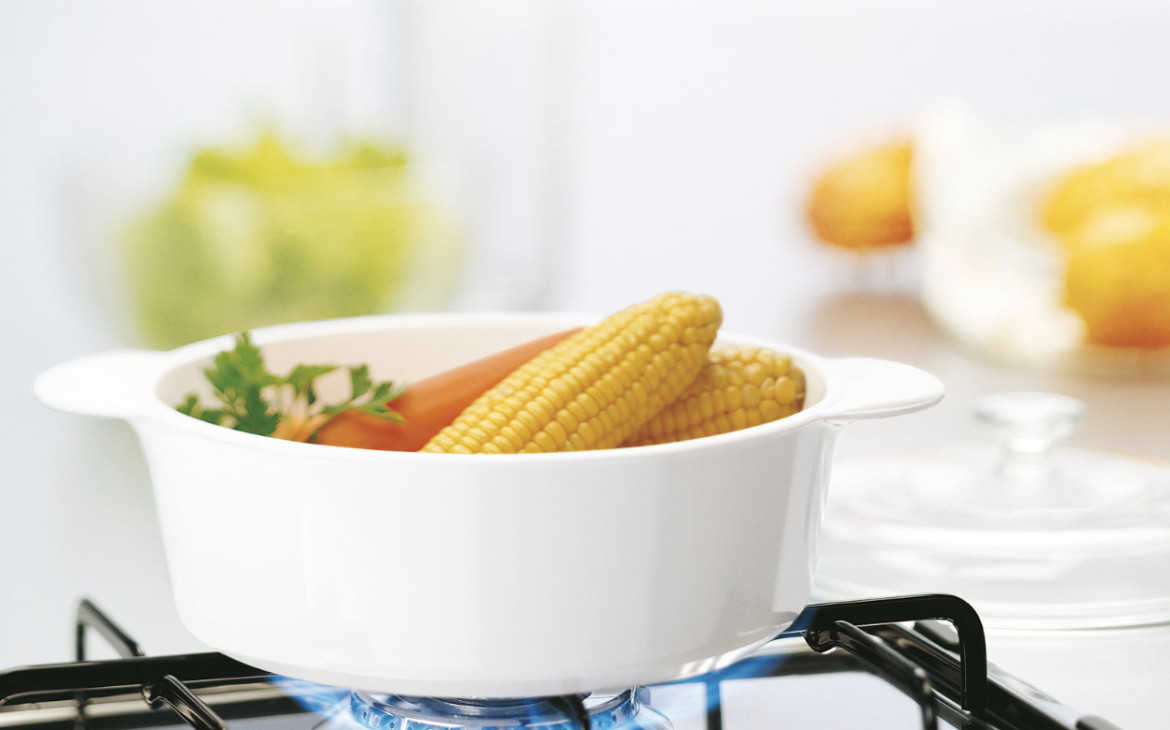
No release of harmful chemicals: full ceramic cookware is made from pure natural materials like clay and mineral compounds, with no harmful chemicals or metals involved. There’s no coating to wear down or chip off into food, eliminating the risk of exposure to potentially harmful substances entirely.
Flavor neutrality: ceramic doesn’t affect the taste of food. It neither absorbs nor releases flavors or odors, so the natural taste of ingredients comes through, unaltered.
Even heat distribution: full ceramic cookware conducts heat exceptionally well and spreads it evenly across the surface, allowing for precise temperature control and even cooking without hot spots.
Heat resistance: ceramic withstands high temperatures in both the oven and on the stovetop. It can go straight from the heat source to the table to keep food warm, and it’s microwave-safe too.
Natural nonstick properties: full ceramic cookware has natural nonstick qualities. Its smooth, nonporous surface keeps food from sticking and makes cleanup easy, meaning you rarely need much oil or fat to prevent sticking — a genuine win for healthier meals.
Easy to clean: full ceramic cookware is simple to clean. Its smooth surface makes removing residue easy, and it doesn’t absorb fats, oils, or odors. A simple hand wash with warm water and mild dish soap is usually all it takes.
Eco-friendly: full ceramic cookware is made from natural, sustainable materials, is biodegradable, and can be recycled. Choosing it helps reduce plastic waste and supports a more environmentally conscious kitchen.
Avoid: Ceramic-Coated Cookware
Pots and pans with a ceramic coating look harmless enough at first glance. But the coating is fairly soft and doesn’t hold up for long — once it wears down, it can release harmful substances like lead or cadmium, which then make their way into the body through food. In severe cases, this can lead to serious lead poisoning.
© Photos: PR