© Nudie Jeans
More than a billion pairs of jeans are produced worldwide every year. Here’s how to spot sustainable denim, what to look for when you shop, and which labels are leading the charge on eco-conscious materials.
By Lisa Ehrhardt
Jeans are a fixture in wardrobes everywhere, yet conventional denim production takes a real toll on the environment and, too often, on the people who make it. Sustainable jeans offer a cleaner, fairer alternative. Here’s how they’re made and what to look for before you buy.
What sets sustainable denim apart?
Sustainable jeans differ from conventional ones in a few key respects. Most are woven from organic cotton, grown without genetically modified seed or synthetic pesticides, and many brands now turn to recycled cotton, hemp, and linen as eco-friendlier alternatives.
Dyeing is another area where sustainable denim breaks from convention. Conventional dyeing processes release a cocktail of harmful chemicals into the environment; sustainable methods rely on natural dyes and gentler techniques to keep that impact to a minimum.
Transparency matters too. Sustainably produced denim comes with production conditions that are open to scrutiny rather than hidden from it.
How is it made?
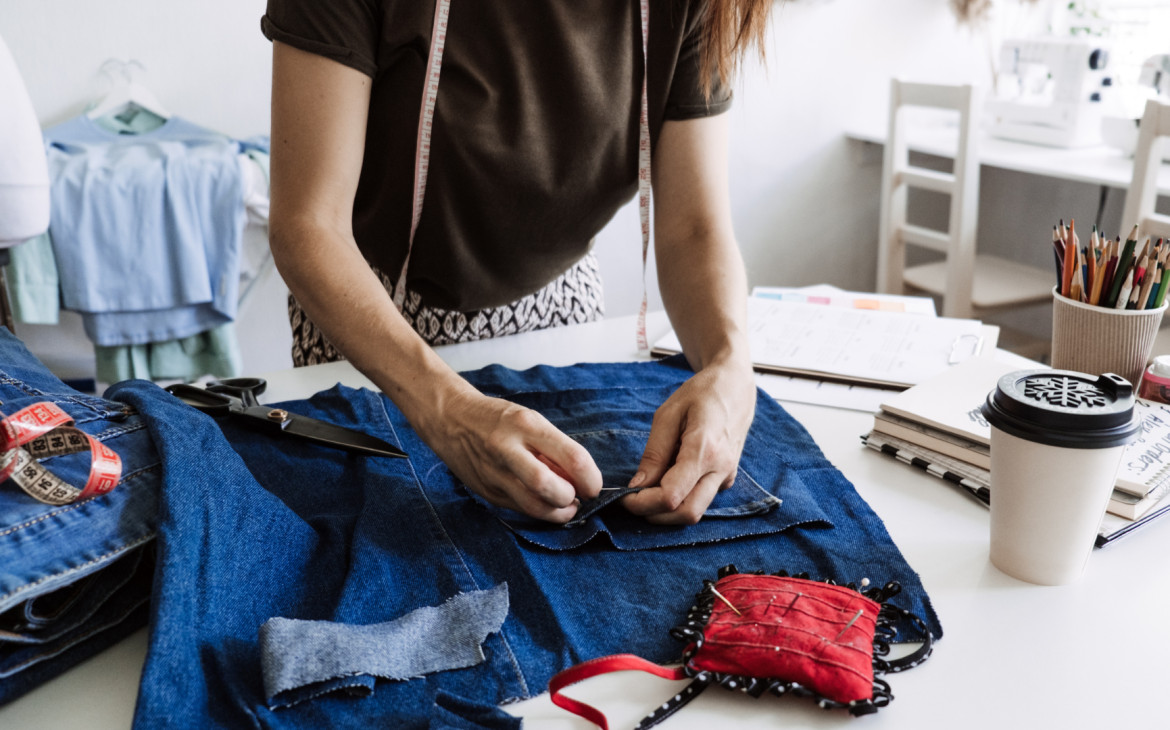
Producing sustainable jeans involves a series of environmentally and socially conscious choices. Organic cotton, grown in suitable regions, cuts pesticide use by 60 to 80 percent and water consumption by up to 70 percent. Cultivation skips chemical treatment entirely, and processing avoids toxic chemicals as well. Eco-friendly dyes and laser technology reduce water use and environmental impact further. Sustainable denim brands also commit to fair wages and safe working conditions, ruling out child labour and ensuring safe workplaces for everyone involved. Between organic cotton farming and renewable energy use, sustainable denim brands can cut CO2 emissions by 40 to 60 percent compared with conventional production.
Making the sustainable choice
A few things are worth checking before you buy a pair of sustainable jeans. Look for organic cotton or recycled materials, and seek out the GOTS, IVN Best, Fairtrade, or Fair Wear seals. Buying second-hand denim, or supporting brands that recycle and upcycle old jeans, are equally solid options. Below, we highlight a handful of labels doing sustainable denim right, to make your search easier.
Stella McCartney
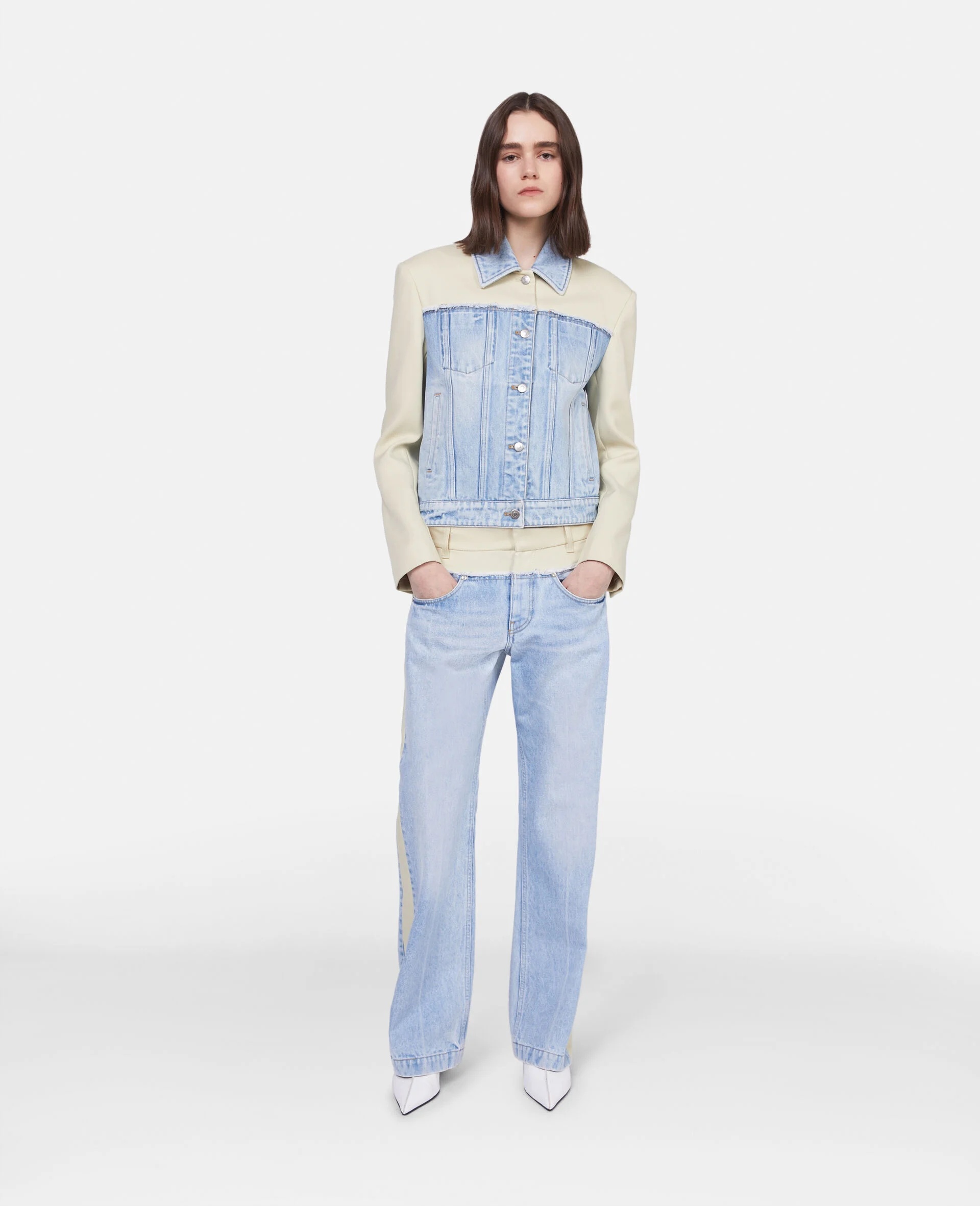
Stella McCartney’s ambition is to create the most desirable products with the lightest possible footprint on the planet, using the newest and most advanced materials to minimise environmental impact. Supply-chain transparency is continually sharpened through careful reporting, measurement, and traceability. The brand pairs nature’s raw materials with cutting-edge innovation to create luxury fashion worth wanting, working with sustainably grown, GOTS-certified organic cotton and recycled polyester reclaimed from old textiles and industrial waste.
In doing so, Stella McCartney reduces its reliance on virgin materials and keeps waste out of landfills, incinerators, and oceans. The brand has come a long way already and keeps pushing for more. Stella McCartney sets the bar for sustainable luxury fashion and remains a standard-bearer for environmentally minded shoppers.
hessnatur
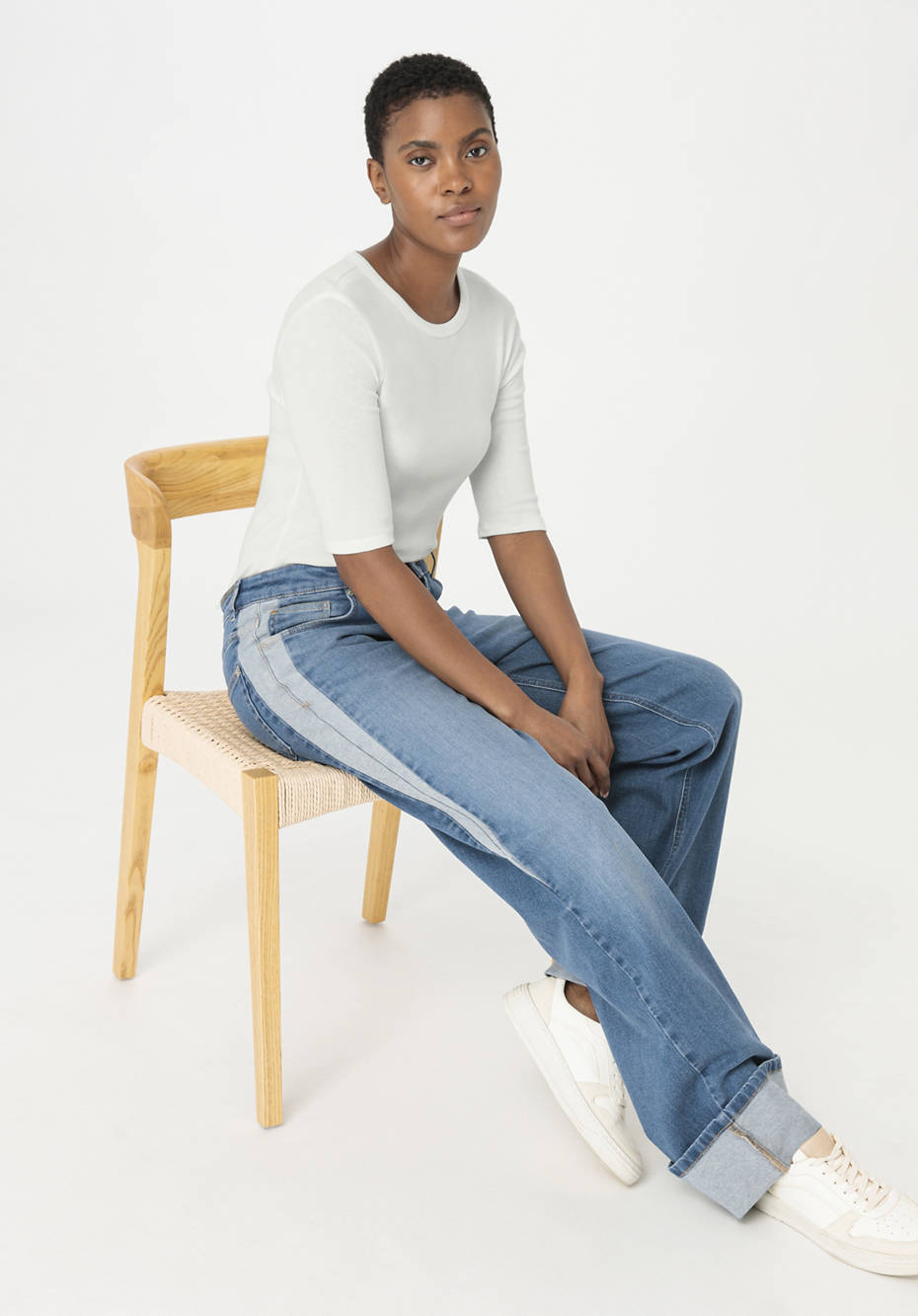
Hessnatur builds its collections around eco-friendly materials like TENCEL™ Lyocell paired with organic cotton. These innovative fibres round out a portfolio of sustainable looks with personality, some carrying embroidered messages for fashion with a point of view. Since 1976, the brand has produced timeless, high-quality premium fashion that never loses sight of modernity and innovation.
Transparency and strong social standards sit at the core of Hessnatur’s values. The brand is regularly certified by nonprofit and government bodies, setting internationally exemplary standards for labour and social conditions and refining them continuously. Hessnatur has held Leader status with the Fair Wear Foundation (FWF) since 2017. The FWF works to improve conditions across the garment industry through international dialogue, audits, training, and a neutral complaints mechanism for workers. Hessnatur was the first German brand to join the FWF, back in 2005, and has championed fair prices, long-term partnerships, training, and awareness-building ever since.
Closed
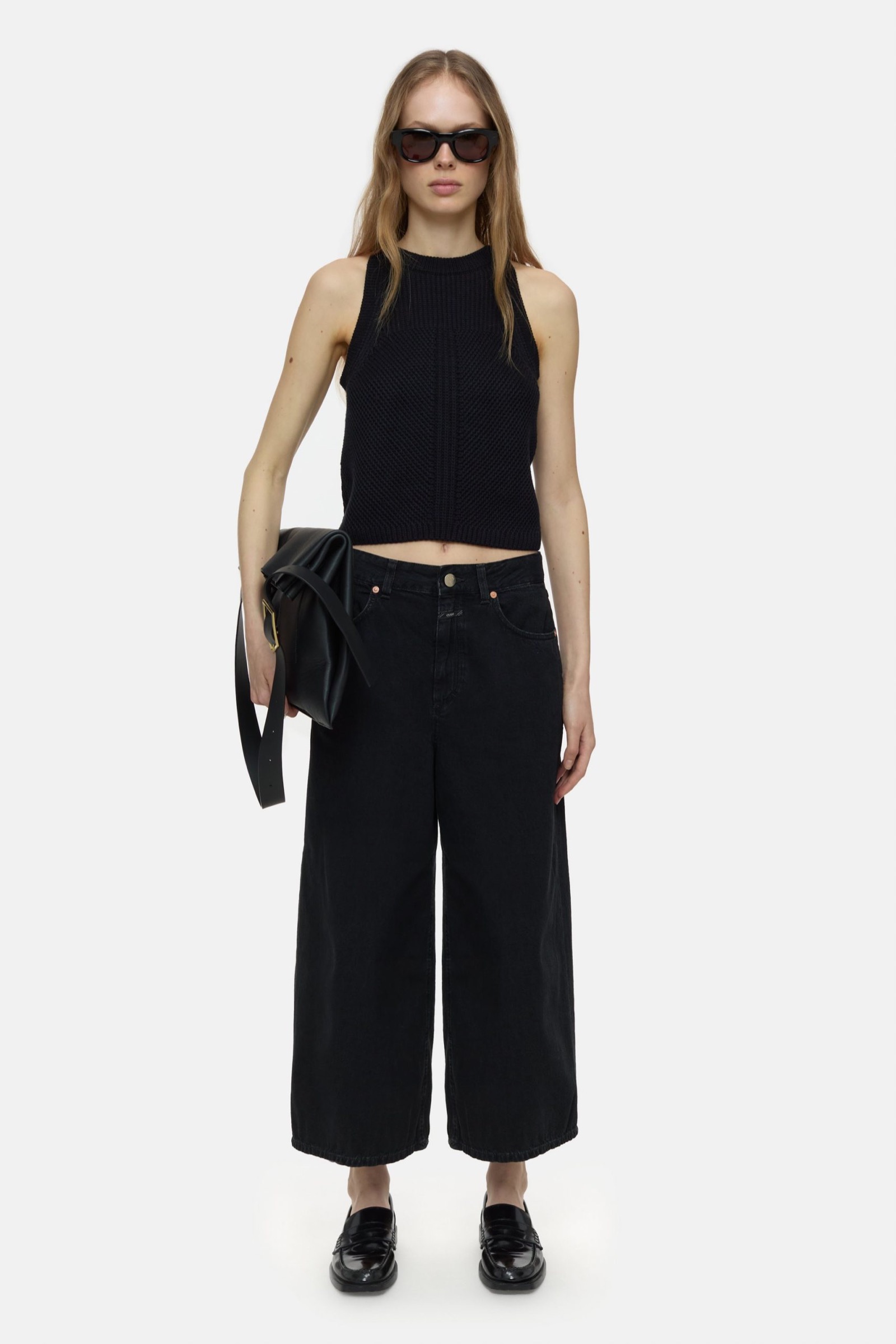
Closed carries a long history and deep-rooted tradition, producing quality denim since 1978. Its Lyna style, cut from lightweight black summer denim, pairs subtle worn-in effects at the edges with a wide leg and cropped length. Made by seasoned denim specialists in Italy, the piece embodies Closed’s philosophy: get it right from the start and never compromise on quality. Ninety-one percent of Closed’s products are made in Europe, which keeps supply chains short and environmental standards high. For decades, the brand has partnered with some of Italy’s finest denim mills to perfect fit and push sustainable denim innovation forward.
As a family-run business, Closed places real weight on trust and lasting partnerships. It works closely not only with European manufacturers but also with select partners in China and India who share the same ecological and fair-labour standards. Drawing on its European heritage, Closed blends French creativity, Italian craftsmanship, and German tradition into fashion that feels both innovative and timeless. Denim runs through the brand’s creative DNA — with more than 40 years of design and production experience, Closed is a pioneer of sustainable, high-quality denim.
Marc Cain
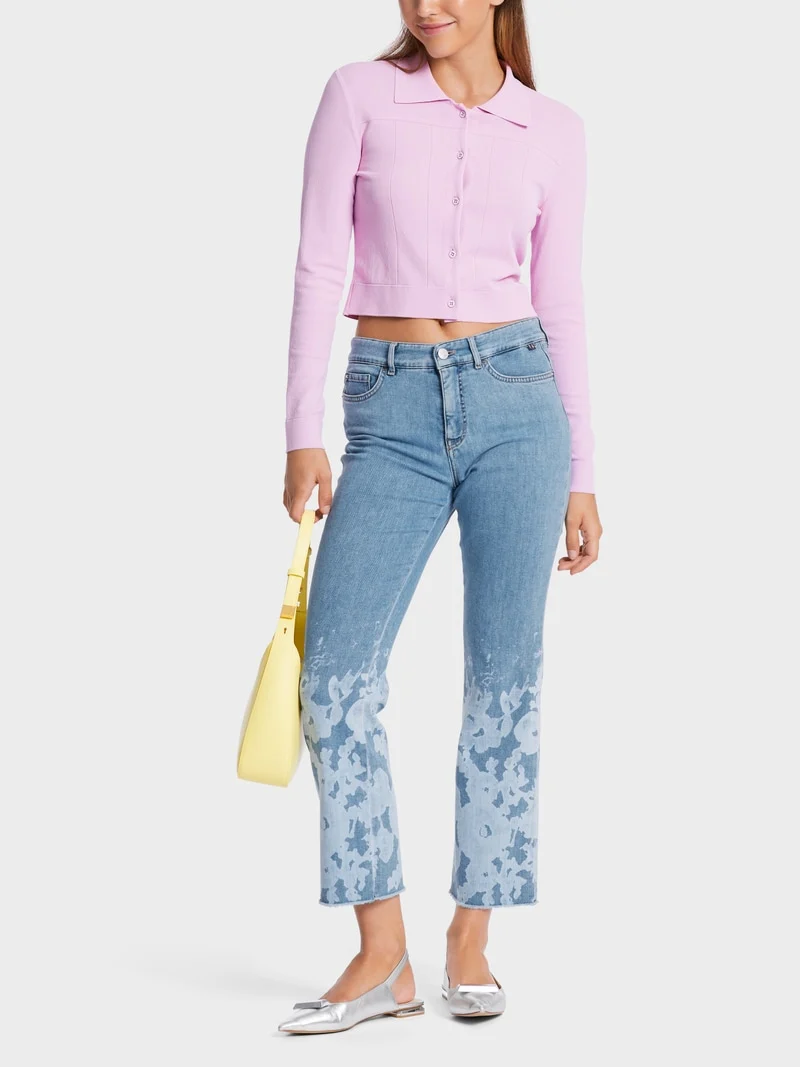
Marc Cain works with regeneratively farmed cotton, a method centred on restoring the soil through gentle cultivation and reduced use of synthetic fertilisers and pesticides. Healthy soil stores carbon and helps curb climate-damaging emissions, while these practices also boost biodiversity, improve water retention, and enrich the soil’s nutrients — building a genuinely holistic ecosystem. Marc Cain folds these sustainable practices into its production to create fashion for the women of today and tomorrow that is stylish and environmentally responsible in equal measure.
Marc Cain’s sustainability vision is woven into the company’s strategy and mirrors its core values. The “Rethink Together” approach calls for a shift in mindset and conscious action to take responsibility for the planet. Products carrying the “Rethink Together” label are especially eco-friendly, built around sustainable materials and processes. Supply chain transparency, dialogue with business partners as equals, and product longevity are central to this vision. Marc Cain aims to unite the highest quality with sustainability, contributing positively to both the environment and social justice.
Nudie Jeans

Nudie Jeans uses exclusively certified organic cotton, grown without synthetic fertiliser, pesticides, or genetically modified seed. Roughly 70 percent of that organic cotton comes from Turkey, with India as the second-largest supplier, where the cotton also carries Fairtrade certification. The company places great emphasis on transparency, regularly visiting cotton fields to check working conditions and production processes. Alongside organic cotton, Nudie Jeans also uses recycled cotton reclaimed from production waste or worn-out garments that can no longer be repaired or resold. By working with suppliers that meet strict chemical guidelines and operate approved wastewater systems, Nudie Jeans ensures its production stays safe for both the environment and its workers.
Every pair is cut from quality denim that rewards frequent wear, ageing into a long-lasting favourite. If your beloved jeans ever do give out, you can have them repaired free of charge at one of Nudie Jeans’ repair shops, which extends their lifespan considerably. It’s a service that’s as convenient for customers as it is kind to the planet, since worn jeans stay out of landfill. Nudie Jeans recycles old pairs into patches or resells them as second-hand pieces through its Re-Use programme.
Kuyichi
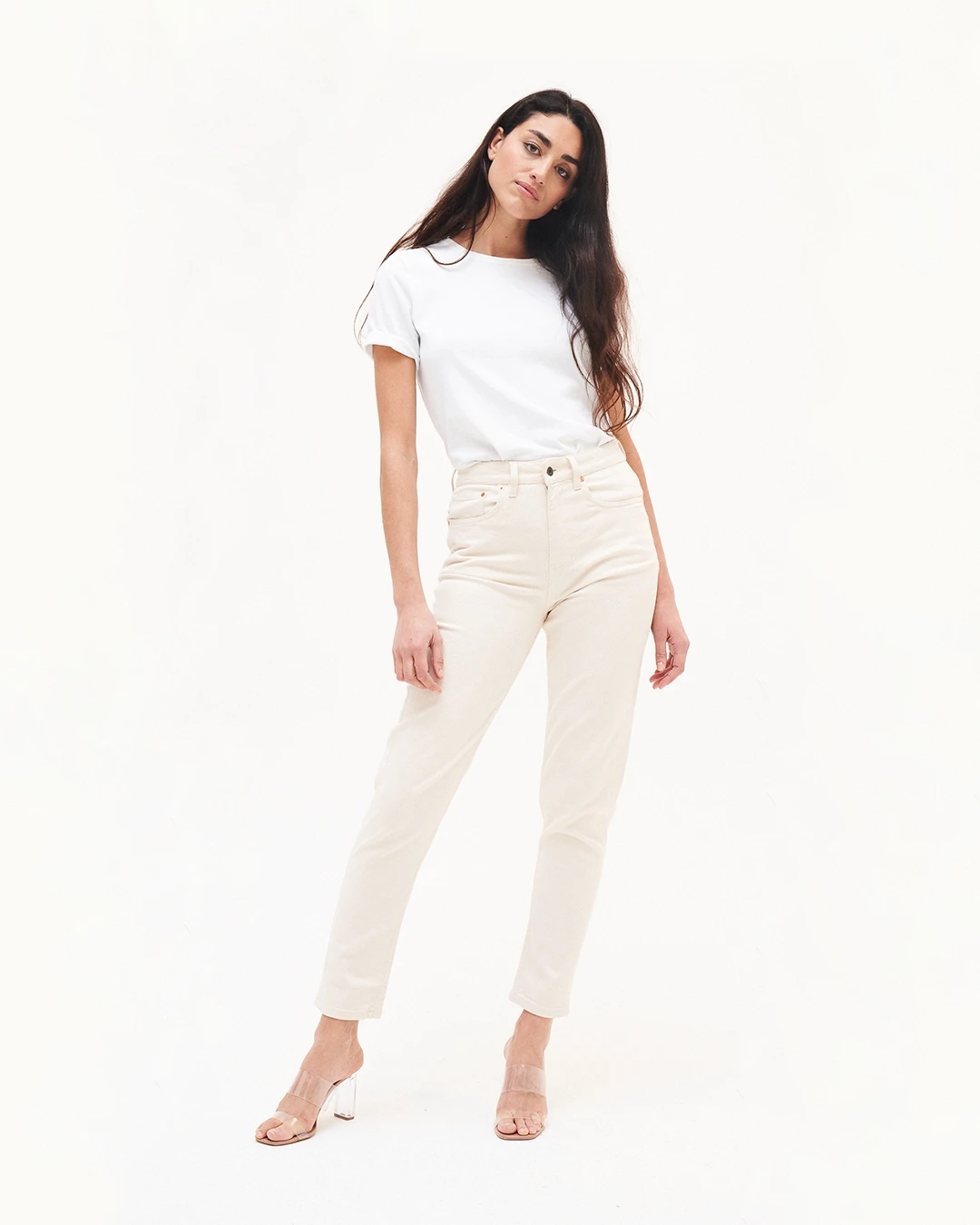
Kuyichi places great emphasis on designing timeless pieces that become wardrobe favourites and outlast passing trends. Quality materials and the constant refinement of denim’s durability sit at the heart of its work. Since 2016, Kuyichi has used exclusively certified organic cotton, and organic farming supports a balanced ecosystem with healthy soil and clean water — a benefit that reaches the environment, farming communities, and the skin of the people wearing the jeans alike.
Kuyichi supports farmers transitioning from conventional to organic cotton by sourcing transitional cotton, a process that can take up to three years as farmers adopt organic methods and focus on soil health. Since 2012, the company has also used recycled cotton for its jeans — cotton waste is collected, shredded, and respun into new yarn, saving water, energy, and chemicals along the way. Transparency is a key step for Kuyichi on the road to a sustainable supply chain. The company works closely with its partners and has signed the Transparency Pledge; a searchable list of suppliers is available on Kuyichi’s website.
The takeaway
Sustainable jeans offer an environmentally friendly, socially fair alternative to conventional denim. Through organic cotton, gentler dyeing methods, and fair labour practices, they help chip away at fashion’s negative footprint. Look for certified seals when you shop, and back brands that produce transparently and responsibly. It’s a small choice that adds up to a more sustainable fashion world.