© Lisovskaya Natalia - shutterstock
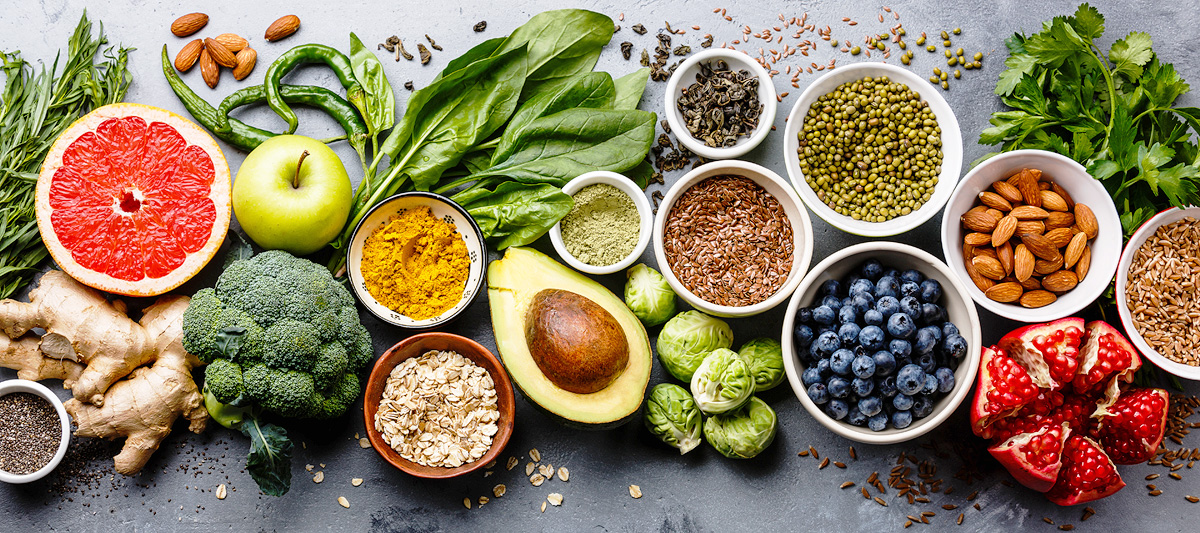
Chia seeds, turmeric, açaí berries — superfoods are still having a serious moment. We eat them for their nutrients, scatter them over salads, blend them into smoothies, all in the name of doing something good for the body. What tends to get overlooked, though, is how far these exotic ingredients travel to reach us, arriving from the rainforest or from Asia after a long journey. But here’s the thing: you can find superfoods that are every bit as powerful at markets across Germany — grown regionally, harvested in season, with none of the air miles. Here are homegrown superfoods for every time of year.
By Sascha Melein
Why Not Swap Chia for Flaxseed?
Chia seeds get all the attention, but flaxseed is arguably the healthier of the two — and it grows right here in Europe. Flaxseed is rich in plant-based omega-3 fatty acids, antioxidants, and fiber, which makes it a genuine ally for a faster metabolism, a cleaner gut, and a stronger immune system. A proper homegrown superfood, in other words.
The seeds are simple to use: ground, they release their full benefit. Add them to a glass of water and they swell up, ready to be drunk on their own or blended into a smoothie with your favorite fruit — which has the added bonus of keeping you fuller for longer. A win-win for the body. Early scientific studies also suggest they may help protect against diseases like breast cancer — one more reason to work flaxseed into your daily diet.
And Why Not Eat More Blueberries?
Blueberries are true multitaskers when it comes to healthy nutrients. For one, they’re antioxidant powerhouses, shielding the body from free radicals and, over time, from disease and premature skin aging. They’re also loaded with minerals like calcium and iron, plus plenty of fiber to support digestion. On top of that, these little blue berries are thought to lower cancer risk and come packed with vitamins C and E. They’re wonderful in smoothies or yogurt, and just as good baked into muffins — though of course, they’re just as satisfying eaten straight off the branch.
The sweet berries can be picked from July, and you’ll typically find them at local markets through the end of August. Pick-your-own farms are worth seeking out too — Spargel- und Erlebnishof Klaistow in Brandenburg, for instance, offers exactly that.
“An Apple a Day Keeps the Doctor Away”
Apples may look less exotic than, say, a bright orange papaya, but they’re loaded with nutrients and available at every farmers market.
They’re rich in polyphenols, which act as antioxidants, help ward off lung disease, and protect the liver from harmful chemicals. Apples also have a positive effect on gut flora, and regular consumption is linked to a lower risk of Alzheimer’s. Genuine homegrown superfoods, no question.
The best way to eat an apple is with the skin on, since that’s where most of the healthy nutrients live. Just be sure to wash them thoroughly first, always reach for seasonal organic fruit, and, ideally, wash them with a little baking soda. Or press them into a delicious fresh apple juice, with a little ginger stirred in for good measure. So maybe there’s something to that old saying after all — an apple a day really does go a long way toward keeping the body in shape.
Proof That Kale Isn’t Just for Christmas
Kale is usually thought of as the side dish that comes with roast goose, cooked down with lard and bacon — not exactly a picture of health.
But here’s the fact: kale is loaded with nutrients and vital compounds. It contains protein and calcium, plenty of fiber that’s good for digestion and may help ward off colon cancer, and antioxidants like beta-carotene that offer the body further protection.
So kale is a genuine weapon against a whole range of illnesses. The question is how to prepare it so you keep as many of those nutrients intact as possible.
Your best bet is to eat kale raw. It works beautifully in smoothies and salads, but it also holds up well in soups or simply blanched. For the best flavor, buy it in season, from November through January.
Sour Makes You Happy — Meet the Blackcurrant
Blackcurrants may not enjoy the popularity of their red cousins, but their benefits shouldn’t be underestimated. They’re loaded with polyphenols that act as antioxidants, fight inflammation, and are believed to have tumor-inhibiting properties.
They also support the immune system and have a positive effect on blood pressure. Blackcurrants are rich in vitamin C and other minerals like potassium, iron, and calcium, which support cell metabolism and give the muscles and heart a boost. A genuine powerhouse berry.
Blend them into smoothies with other berries, spoon them over yogurt for a healthy dessert, or — for those with a sweeter tooth — turn them into a classic red fruit compote with vanilla sauce. Blackcurrant season runs from June through August, though frozen berries are widely available in supermarkets the rest of the year.
Easy to Find in the Woods: The Stinging Nettle
The stinging nettle may not be anyone’s favorite plant to brush past on a forest walk, but it’s packed with healthy nutrients and easy to prepare — a process that also strips away its sting entirely.
Nettles are excellent for detoxing and de-acidifying the body. They’re rich in vital minerals like calcium, magnesium, and vitamin C, and the plant is even considered medicinal, known to help with digestive issues and rheumatism while boosting the immune system and energy levels.
It’s worth wrapping nettles in a kitchen towel and rubbing them gently before use — this removes any trace of the stinging compound before cooking.
Try nettles as a topping for casseroles or pizza, tossed into salads or burgers, steamed like spinach, or blended into teas and green smoothies.
If you can’t find nettles nearby, try your local pharmacy — dried nettle is increasingly common there. Dried leaves and seeds are also available to order online.
Rosehips: Vitamin C for Your Tea or Jam
These berries are true vitamin C bombs, giving the immune system a boost and helping to ward off colds. Rosehips also contain antioxidants and minerals like zinc and sodium, while their seeds are rich in unsaturated fats. Rosehip powder is popular too, particularly for joint pain, thanks to a compound called galactolipid known for its pain-relieving properties.
Rosehips shouldn’t be eaten raw — they’re quite sour. But they make a wonderful jam, especially with a splash of apple juice added, or can be enjoyed dried as a snack, or brewed into a comforting rosehip tea. That tea is good for colds and rheumatic complaints alike, and it has a calming, stress-relieving effect too — the perfect cup for the cold months.
The red fruit shouldn’t be harvested before October, since the first frost brings out their sweetness. You’ll find them on shrubs in the woods through to February, and dried, in online shops, year-round.
Dandelion: More Than Just a Garden Weed
Nearly everyone has dandelions growing in their garden, and most people treat them as an annoying weed. But before you pull them all out, it’s worth knowing: dandelion is a genuine wonder plant, useful against a whole host of complaints.
For one, dandelion is known to help with stomach trouble, thanks to its antispasmodic and appetite-stimulating properties. It’s also good for the liver and gallbladder, stimulating bile production and supporting fat metabolism.
For another, it has real superfood credentials — not only easing existing health issues but helping to prevent new ones, thanks to its wealth of nutrients. Dandelion is rich in vitamins A, C, and E, along with minerals like magnesium and iron. It’s well worth adding to soups and salads more often, and it works beautifully in green smoothies or brewed as dandelion tea. If you’re feeling adventurous, you can even roast the root into a coffee substitute.

You don’t need goji berries, pomegranates, or chia seeds to give your body the nutrients it needs. Homegrown superfoods from the market or your own garden are more than enough — and they often provide the perfect foundation for a healthy diet, all while sparing the environment the cost of importing from abroad.
For more, check out the book “Heimische Superfoods” by Dr. Barbara Rias-Bucher, which is full of delicious recipes built around these ingredients.