© shutterstock
That a walk in the forest slows us down, lowers blood pressure and strengthens our immune defenses is now backed by science. Here’s what forest bathing actually is, and where to try it in Germany’s woodlands.
By Sarah Marx
Bathing in the Forest’s Atmosphere
That’s the literal translation of shinrin-yoku, the beloved outdoor practice that originated in Japan. The term was coined in 1982 by Japan’s Ministry of Agriculture, Forestry and Fisheries to describe the act of immersing oneself in the forest’s calming atmosphere.
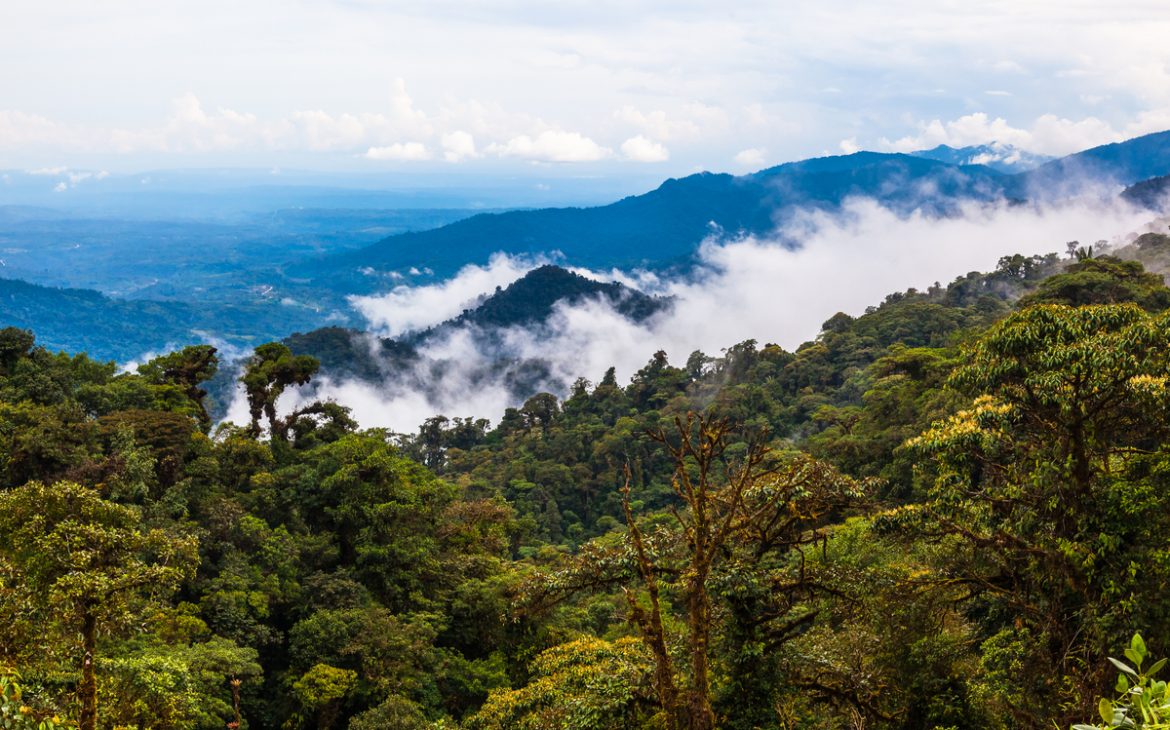
At its heart, it’s about slowing down, reflecting and paying attention — pausing long enough to take in the beauty of the natural world. Walking through the forest, whether alone or in a guided group, engages every sense. It builds a near-meditative connection to the surroundings: animals and plants are observed with real attention and appreciation, while the sound of wind through the branches and the glint of sunlight are taken in just as fully.
Forest Therapy as a Health Practice
Everyone knows fresh forest air does us good. But the technique of forest bathing goes a step further — in Japan and South Korea, it’s now recognized as an official health practice. Empirical studies point to real benefits: lower stress hormones, reduced blood pressure, relief from asthma, and a more regulated pulse. Forest bathing is recommended for anyone, but it does the most good for stressed-out city dwellers, worn down by the constant noise of daily life into chronic fatigue, low moods, or physical conditions like type 2 diabetes and high blood pressure.
The Forest as a Place of Experience
The forest-bathing trend has by now reached Germany too. Outdoor educators and psychotherapy practitioners offer guided walks and even multi-day workshops in German forests. Annette Bernjus is one of them, welcoming participants into the beautiful Taunus region, where she herself played in the woods as a child. She helps guests experience the forest directly, finding calm and stillness in nature. It’s not simply about walking. Bernjus and her participants take leaves and moss in their hands, breathe in the scent of flowers, taste berries, and sit for a while on the soft forest floor. The point is to feel the forest actively, in the present moment, and leave the stress of daily life behind.
View this post on Instagram A post shared by Annette Bernjus (@annette_bernjus)
Usedom’s Therapeutic Forest
Since 2016, visitors have been able to experience the combination of a soothing forest atmosphere and fresh Baltic Sea air at Europe’s first officially designated therapeutic forest, on the island of Usedom. The seaside resort of Heringsdorf, in Mecklenburg-Vorpommern, offers 187 hectares of woodland for stress relief and rest. Guests can meditate quietly or explore the forest’s beauty along dedicated nature trails and terrain-training paths.
So why not dedicate your next weekend getaway to your own health, and step into the living atmosphere of the forest? We can easily picture it as a way to restore your energy and let your mind wander. And if you’d like to dig deeper into the practice and health benefits of shinrin-yoku before you go, take a look at Annette Bernjus’s book Waldbaden – mit der heilenden Kraft der Natur sich selbst neu entdecken.