© shutterstock
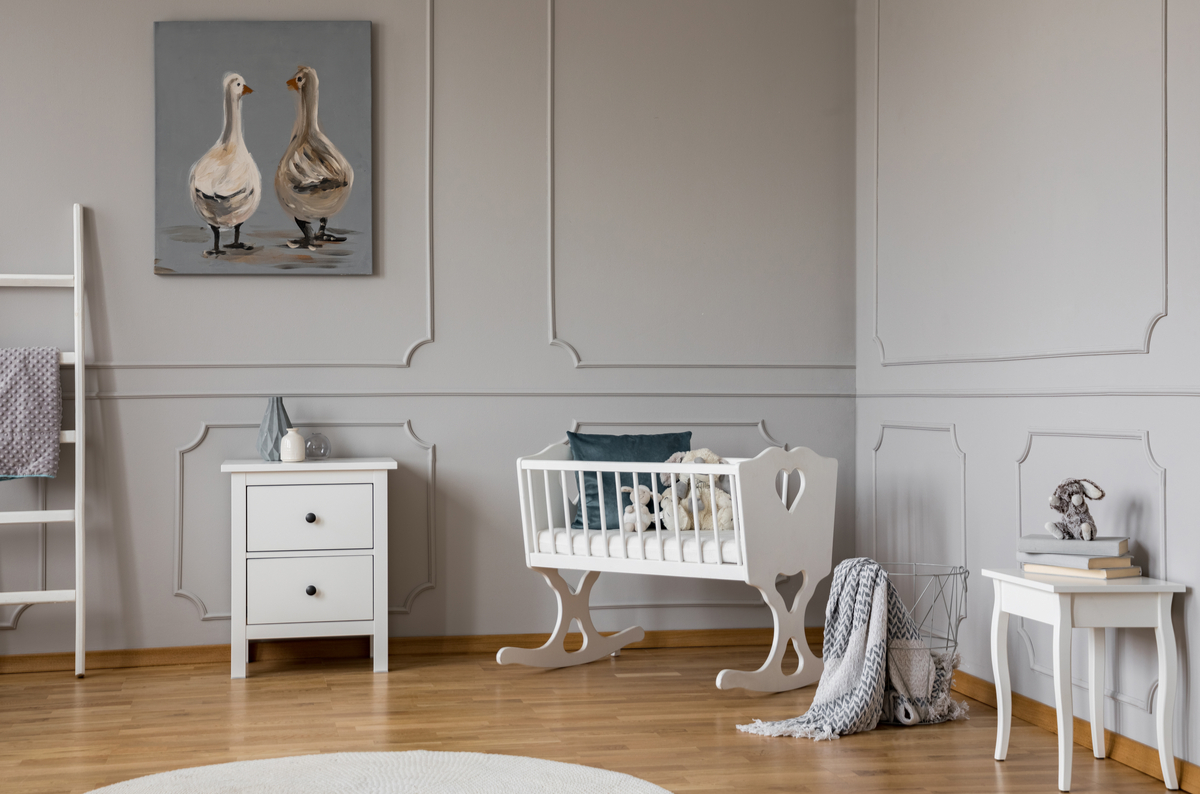
The nursery is a child’s first kingdom, and it should be free of harmful substances like formaldehyde and toxic plasticisers. Here’s our guide to eco-friendly alternatives — from furniture to flooring to textiles — that let children grow up healthy and sustainably.
By Sarah Marx
Solid Wood Furniture Built to Last
Whether your little one is a newborn or already toddling about, eco-conscious parents quickly face the question of which crib, dresser, or bed to buy. As with children’s clothing, the choices can seem endless, but the material’s quality should always come first.
View this post on Instagram A post shared by Wohnstuecke (@wohnstuecke)
Sturdy solid woods such as beech, oak, and pine from sustainably managed forests — easily identified by the PEFC or FSC seal — are not only the clear ecological choice for a nursery, they’re also far more resilient than their chipboard counterparts. That means a little rough-and-tumble play won’t leave a mark.
A Crib That Grows With Your Child
Healthy children grow fast, and before long a sweet newborn becomes a small athlete hauling themselves up on the crib bars. The most sustainable sleeping solution is a crib with an adjustable base. In the early months, it sits high, sparing parents’ backs as they lift the baby in and out. Once the baby starts moving more and pulling up to stand, the base should be lowered to prevent falls.
After a while, two of the center bars can be removed so your child can climb into bed independently. The Moritz children’s bed by Hans Natur, made in Germany from beechwood and finished with organic citrus oil, offers a generously sized sleeping surface and removable side bars, so it can keep pace with a child well into their kindergarten years.
Eco-Friendly Mattresses and Bedding
For little ones to properly rest after all that playing and discovering, a comfortable bed alone isn’t enough — a supportive, springy mattress matters just as much. The baby and children’s mattresses from allnatura, made from coconut fibre or natural latex, give young backs and spines the orthopedic support they need while still growing. They’re free of synthetic materials, breathe well, and strike a careful balance between elasticity and firmness — helping prevent posture problems and back pain down the line.
View this post on Instagram A post shared by HANS NATUR e.K. (@hansnatur)
All that’s left for the journey to dreamland is a set of cosy pillowcases and duvet covers. Hans Natur offers GOTS-certified organic cotton bedding for babies and children in various sizes and child-friendly prints, in its eponymous online shop. Organic cotton is breathable, gentle against the skin, tear-resistant, and holds up to frequent washing at higher temperatures without losing quality.
Nontoxic Wall Paint
Headaches, sleep disturbances, allergies, asthma — an unbalanced indoor climate can trigger all of these. Wall paint covers a large share of a nursery’s surface area, and can continue off-gassing irritating solvents and preservatives — including formaldehyde, a suspected carcinogen — for years after the last coat dries. That makes natural, nontoxic paint especially important in a child’s room.
The range of ecological lime, clay, and mineral silicate paints is wide. With their breathable, odour-absorbing, and moisture-regulating properties, these long-lasting paints help prevent mould and create a genuinely healthy indoor climate. You’ll find suitable products at the online shop Pure Nature or from the Swiss company HAGA.
And for those who want more colour on the walls, Volvox offers a range of pigments from soft pastels to bold, saturated tones that can be mixed into a neutral base paint — making it effortless to give any room a personal, environmentally friendly finish.
Flooring as a Design Element
Floors get crawled on, built into towers of blocks, tumbled across, and raced over with toy cars. Small children — often alongside parents and pets — spend much of their time on the nursery’s biggest playground: the floor. That makes the choice of flooring material all the more important. Like chemical wall paints, PVC, laminate, and vinyl flooring can off-gas harmful substances for years, and the adhesives and dyes used in production can also trigger allergies, headaches, and nausea.

Sustainable interior design, then, starts with a good look at the floor you already have. Old floorboards and parquet can be sanded down to look new again, bringing a cosy warmth into the room. Solid wood flooring never really goes out of style, so when buying new, look for certified wood from sustainably managed forests. Bamboo is also gaining popularity — it regenerates remarkably fast, though it often travels a long way to reach you. As with wood furniture, wood flooring is maintained for decades with natural oils and waxes.
For anyone planning flooring for a newly built nursery, cork is well worth a closer look. It’s a biodegradable natural material that insulates against both cold and sound, resists allergens, and repels water. Linoleum offers similarly ideal conditions for a child’s room — made from 100% natural materials including linseed oil, limestone, and cork flour, it’s highly durable, antibacterial, and easy to clean.
Natural Rugs and Curtains
For warm feet and to protect the floor beneath, high-quality natural rugs made from virgin wool, organic cotton, linen, or hemp are an excellent choice. They’re not just sturdy underfoot, gentle on skin, and sound-absorbing — they’re also environmentally friendly and ideal for a healthy indoor climate. At Grüne Erde you’ll find a wide selection of natural-toned rugs, gently dyed to ecological standards, in various shapes — always free of chemical solvents, adhesives, or plasticisers. That means your child can play on the rug without a second thought.
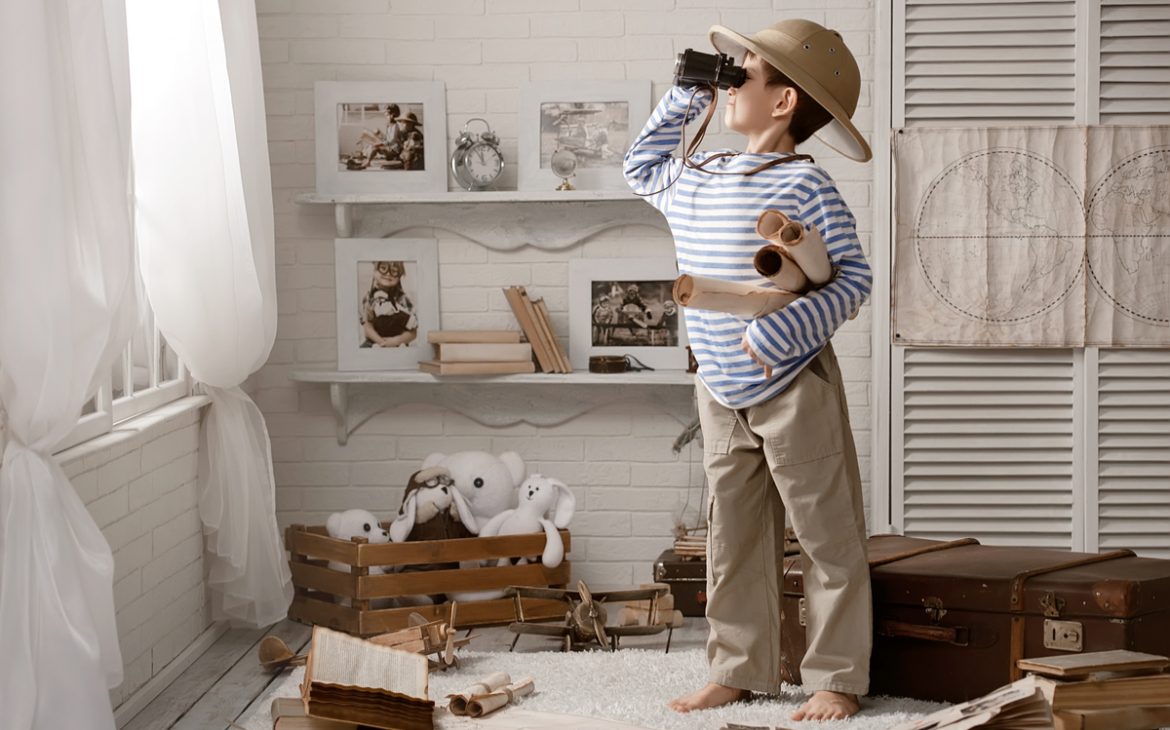
Curtains, much like a rug underfoot, add to a cosy atmosphere. Depending on the fabric’s density, they can softly filter sunlight or create the darkness needed for an afternoon nap. Waschbär carries a silky-smooth organic cotton sateen curtain patterned with small, colourful owls that never fail to bring a smile to young and old alike.
That’s how simple — and thoughtful — sustainable nursery design can be. In our next piece, we’ll introduce the best plastic-free alternatives for mealtime with little ones.