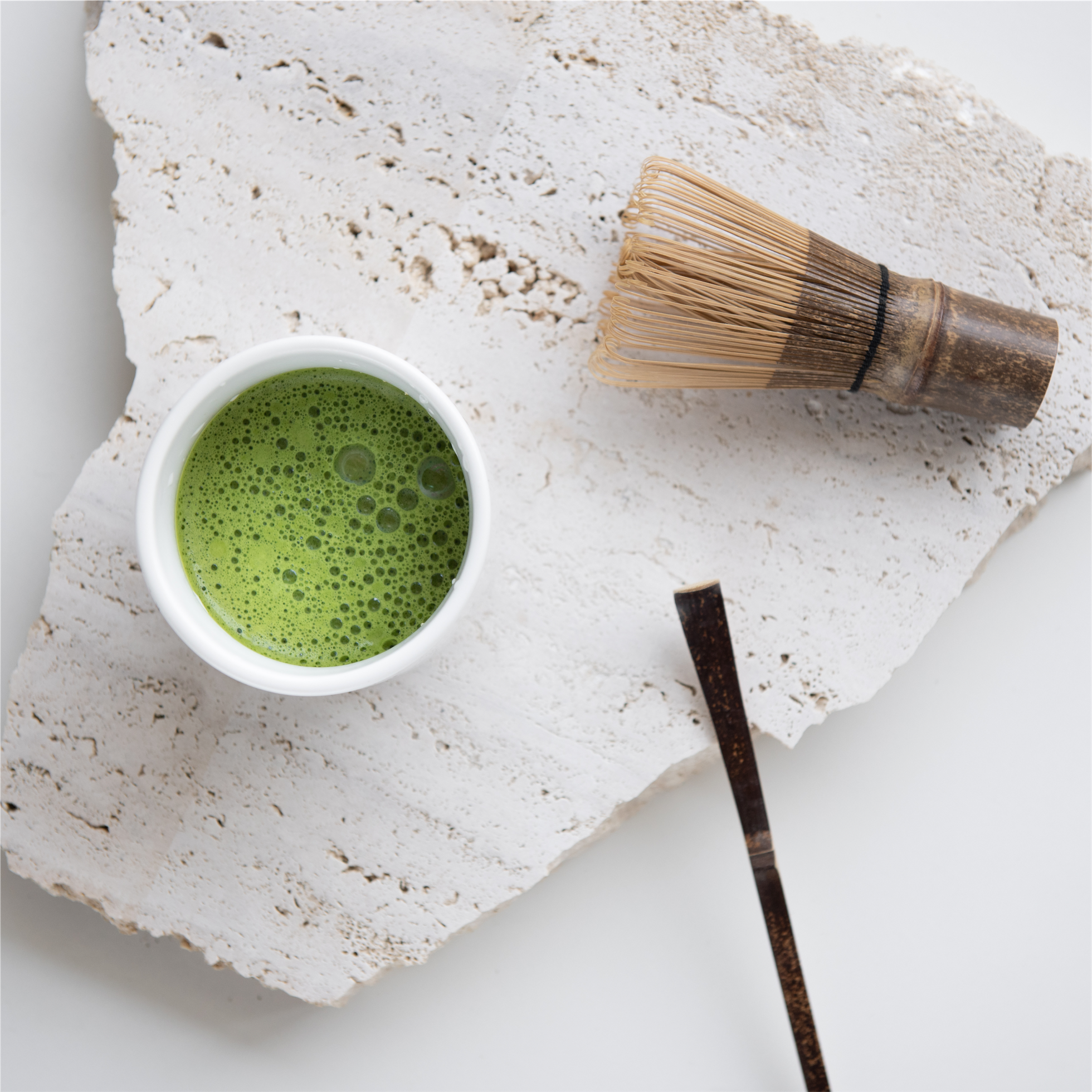
Both are good for you, so what’s the real difference between organic matcha and green tea? We break down the properties, preparation, and how to choose the right tea, plus our favorite products to try.
What Is Matcha Tea?
Matcha is a green tea ground into a fine powder, traditionally used in the Japanese tea ceremony. It’s known for its vivid green color and a naturally sweet flavor that can take on a slight bitterness in later harvests. The tea is rich in catechins, carotenes, and vitamins A, B, C, and E.
The tea bushes used for matcha are typically shaded for about four weeks before harvest, which produces tender, deep-green leaves. After picking, the leaves are steamed, dried, and then ground in stone mills into a fine powder, with any coarse leaf matter removed in the process.
Matcha is considered a particularly high-grade tea, and its labor-intensive production process usually makes it pricier than conventional green tea.
Matcha vs. Green Tea: Comparing What’s Inside
Whether matcha is actually healthier than green tea comes down to what ends up in the cup. When brewing regular green tea, only about 10 to 20 percent of its nutrients typically transfer into the water. Because matcha uses the whole leaf, ground and consumed rather than steeped and discarded, it delivers an exceptionally concentrated dose of beneficial compounds.
What Matcha Tea Actually Does
Science backs up the idea that matcha offers many of the same health benefits as regular green tea. Here are four key effects worth knowing:
-
Energizing yet calming: Matcha contains a high concentration of the amino acid L-theanine, which can boost alpha waves in the brain, promoting a relaxed state of mind. Those alpha waves also help reduce stress and sharpen focus. With roughly 272 milligrams of caffeine per cup, matcha packs about as much caffeine as an espresso. But the combination of caffeine and L-theanine produces a gentler kind of alertness — sharper focus paired with a calming effect, rather than a jittery buzz.
-
Rich in antioxidants: Matcha is loaded with antioxidants, particularly the powerful catechin EGCG (epigallocatechin gallate). Antioxidants protect the body against free radicals, fight inflammation, and support cell repair. Studies have found matcha can contain up to 137 times more antioxidants than lower-grade green tea, and three times more than high-quality green tea.
-
Support for heart health: The antioxidants in matcha may help lower cholesterol, support artery health, and regulate blood sugar. Research shows regular green tea consumption can reduce the risk of heart disease by up to 31 percent — and since matcha delivers even more antioxidants, its effect on heart health may be even stronger.
Despite its many health benefits, matcha is best enjoyed in moderation. Given its high concentration of active compounds, it’s wise to stick to no more than two cups a day. Overdoing it can cause nausea and may mean absorbing unwanted substances from the matcha leaf, including pesticides and fluoride.
The Takeaway
Matcha and green tea each bring their own unique strengths to the table, but matcha’s dense concentration of beneficial compounds arguably makes it the healthier choice. Just remember to enjoy your tea habit in moderation — quality over quantity is the real secret.
Our Favorite Organic Matcha and Green Teas
Matcha Kāru
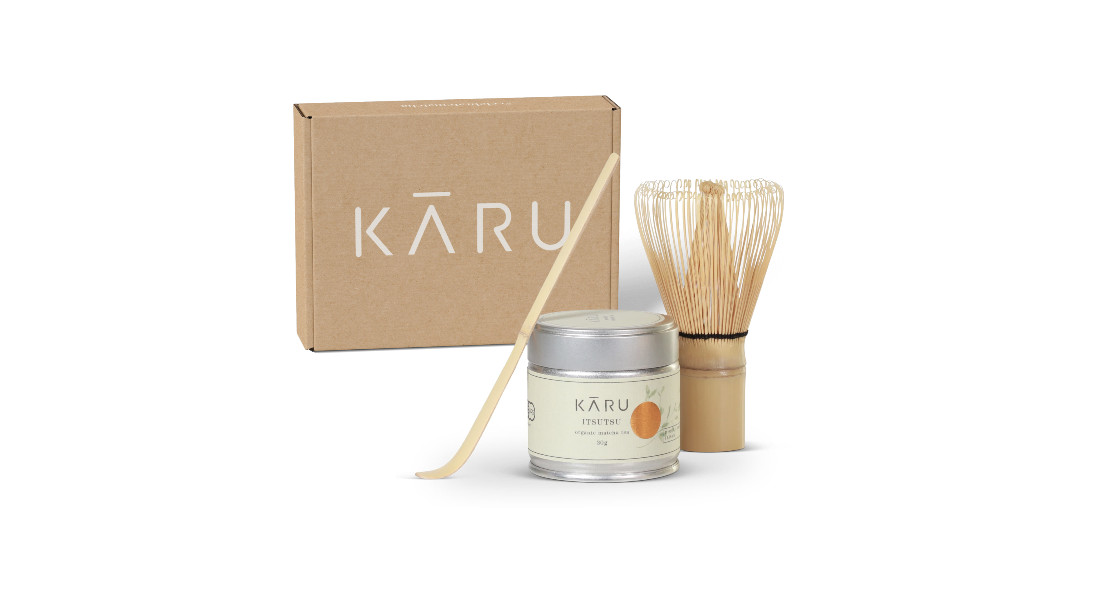
At Matcha Kāru, you’ll find a well-curated selection of the finest Japanese organic matcha and green teas, along with everything you need for your own tea ceremony at home. We tried the Itsutsu and the Bio Matcha Futatsu, and both won us over. Itsutsu is a fruity, intense organic matcha. Its bold flavor makes it ideal for mixed drinks like smoothies and matcha lattes — we turned ours into a delicious wake-up latte on the spot. This variety is a great entry point for anyone just starting to explore the world of matcha.
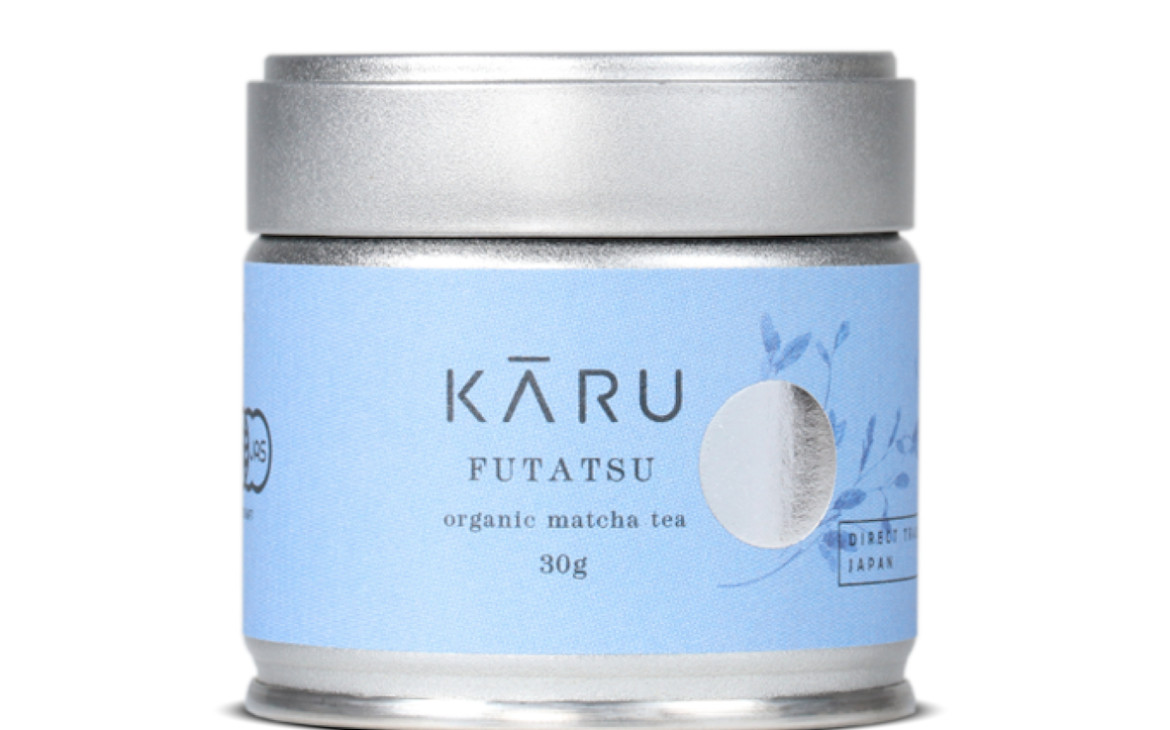
The second tea we tried from Matcha Kāru was the Futatsu, a milder organic matcha perfect for winding down in the evening. It’s soft, gentle, and rounded, with a nutty, floral note. What stood out to us with both teas was the balanced flavor and the organic quality — each with its own distinct character, yet perfectly matched to one another. And we can’t overstate how much we loved the tin design.
Keiko
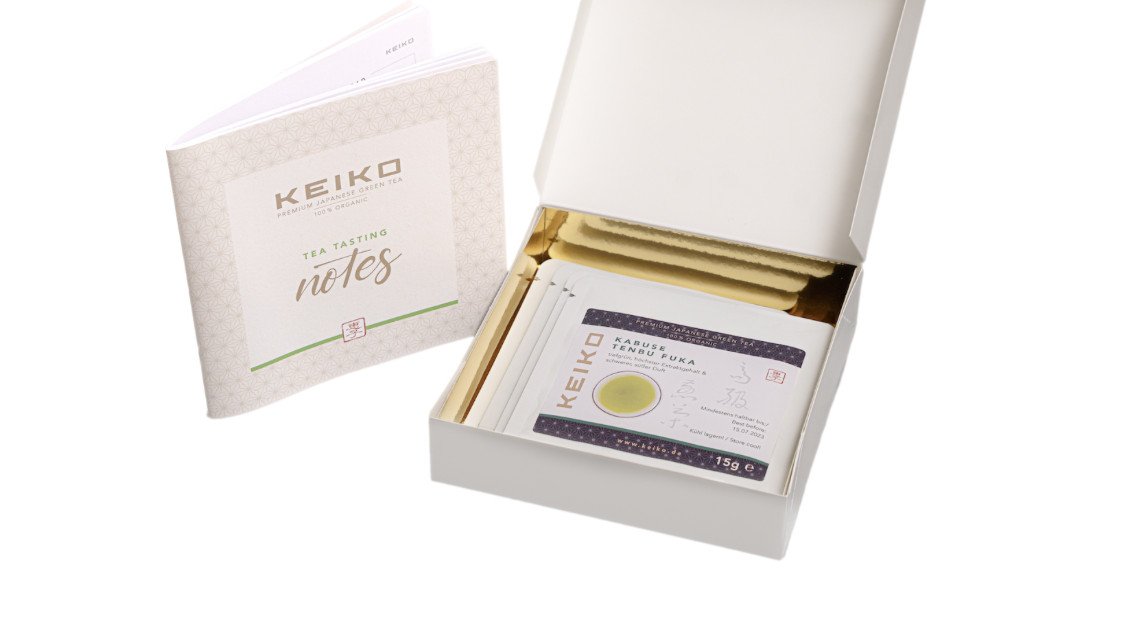
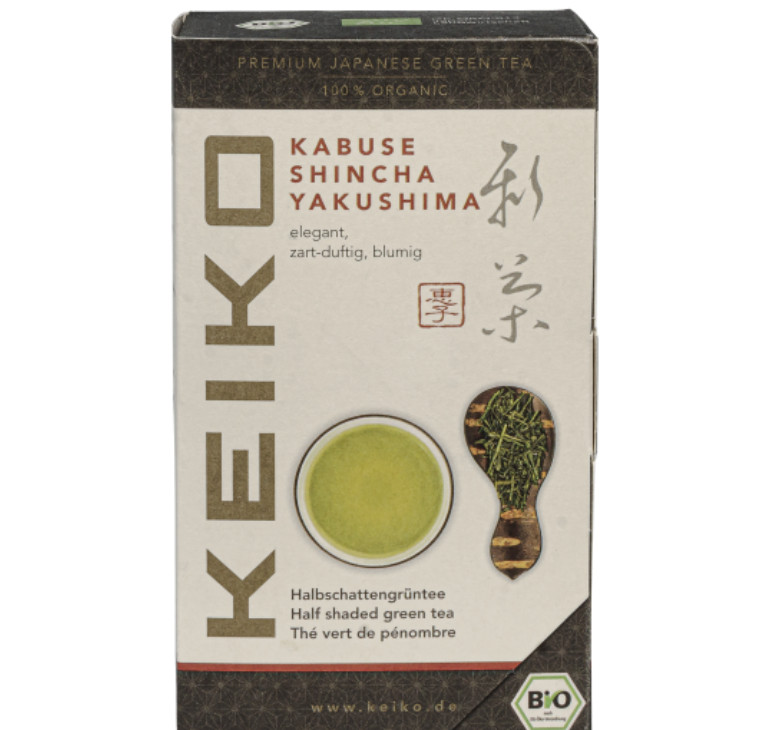
The tea brand Keiko has also carved out a niche in premium Japanese green teas and matcha. The desire to bring something new into the world is what inspired Markus Hastenflug and Hiroshi Shimodozono to found Shimodozono International GmbH back in 1997. Under the well-regarded Keiko brand, painstaking pioneering work introduced high-quality Japanese green tea to the European market. A distinctive shade-grown green tea called “Kabusecha” laid the groundwork for establishing an authentic Japanese tea culture in Germany.
Today, Keiko impresses with a broad range of exceptionally fine premium teas from various harvests, lovingly produced on plantations in the scenic Kagoshima region of southern Japan. The lineup includes freshly ground matcha and shade-grown tea powder, along with matching accessories, delicious tea confections, and a carefully curated selection of other tea specialties. We tried the Kabuse Shincha Yakushima organic green tea and the Kabuse Sencha Tasting Set — organic Japanese green tea, featuring five different green teas. Every tea from Keiko impressed us, and we can recommend the whole range without hesitation.
TeeGschwendner
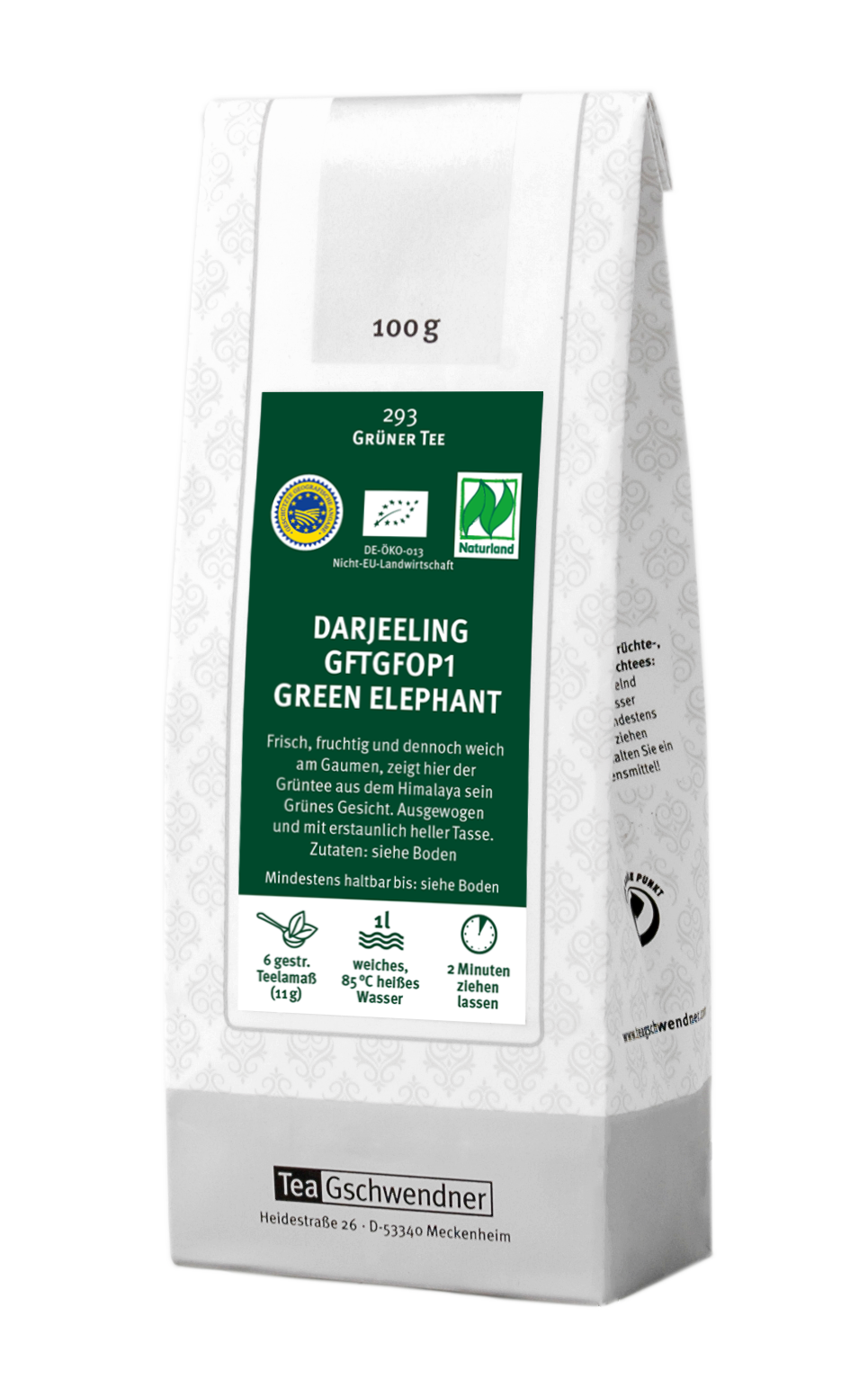
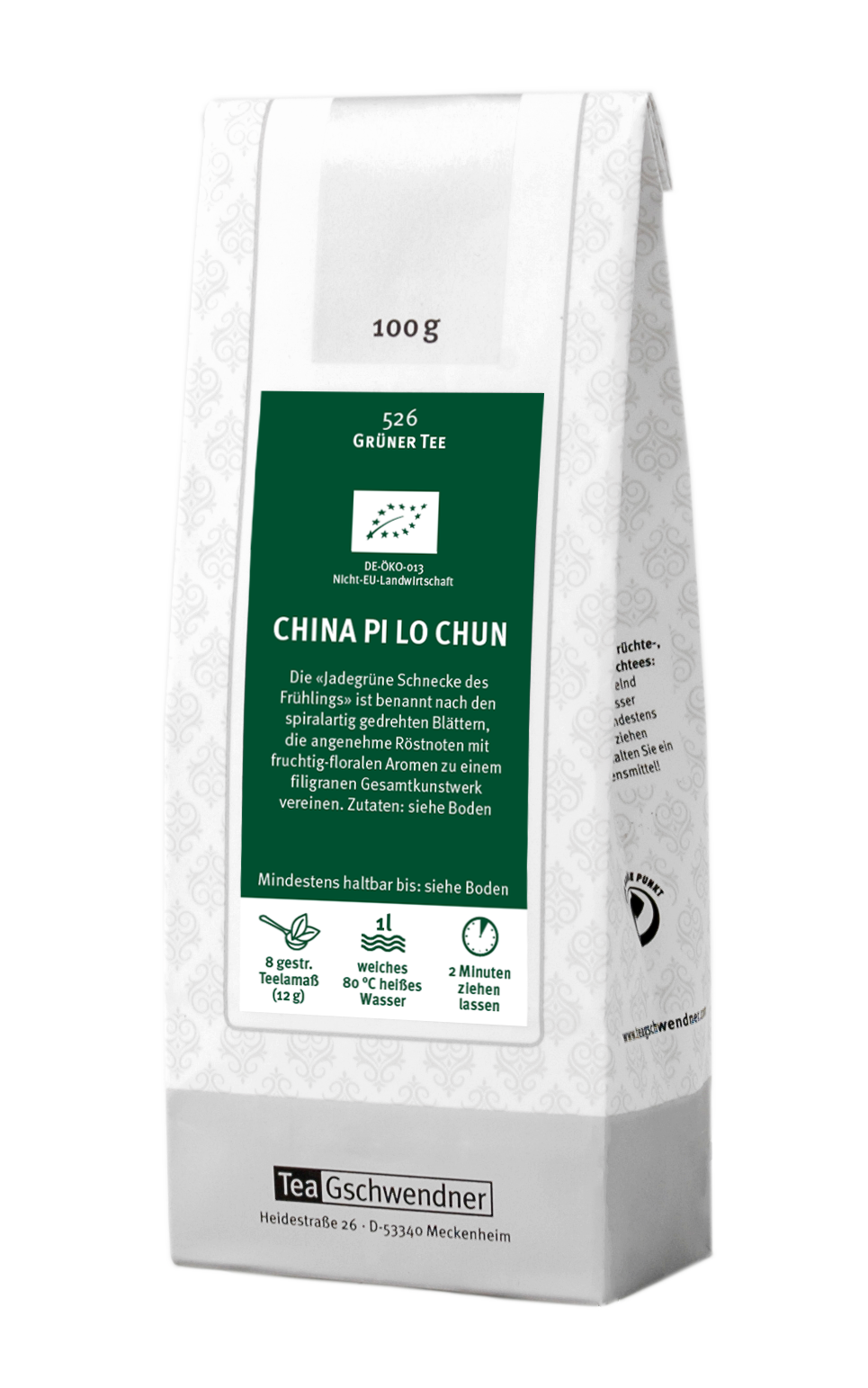
Driven by a love of tea, TeeGschwendner scours the world for the finest teas, and delivers with its garden teas, premium green teas, and inventive blends. The brand offers premium teas of outstanding quality in resource-conscious packaging, with a clear focus on responsible practices that respect both people and planet. Teas are sourced against strict quality standards, with organically grown options given priority.
Two of the brand’s teas stand out in particular. Both the organic green tea Darjeeling Green Elephant and the China Pi Lo Chun are exceptional, each defined by distinctive notes. The Darjeeling Green Elephant is fresh and fruity, yet soft on the palate — a beautifully balanced green tea from the Himalayas. The China Pi Lo Chun, meanwhile, carries fruity, floral aromas with pleasant toasted notes.
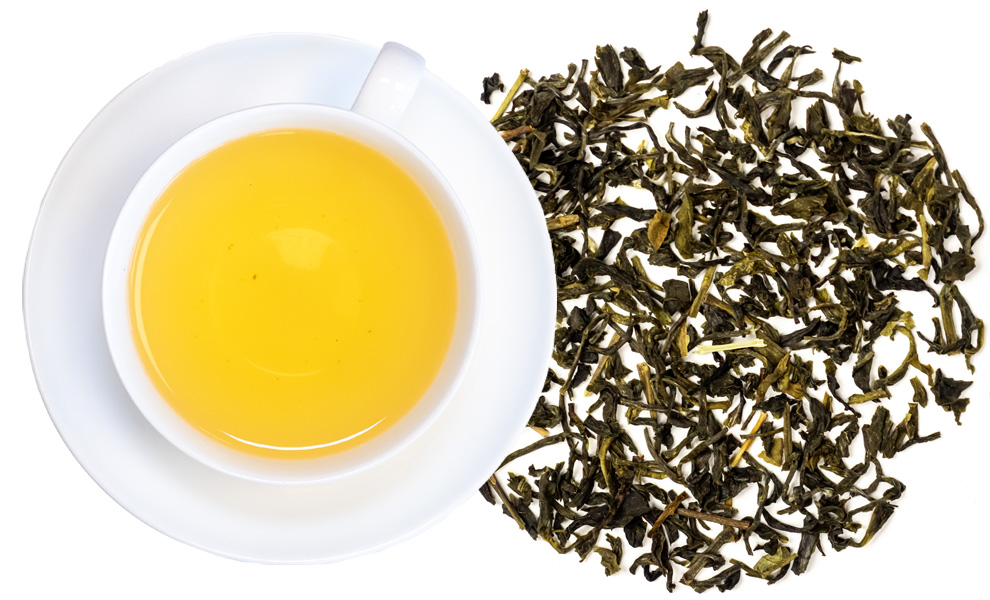
The Art of Brewing Green Tea: Tips for the Perfect Cup
To get the most out of this refreshing drink, a few preparation tips are worth keeping in mind.
-
Use soft water: Water quality plays a major role in how your green tea tastes. Ideally, it should be soft, with a low mineral content. If your tap water is mineral-heavy, opt for a low-mineral spring water instead — minerals in the water can alter the tea’s flavor and introduce unwanted notes.
-
Get the water temperature right: Temperature is critical when brewing green tea. Heat your water to around 70–80°C (160–180°F). Avoid boiling water, since excessive heat releases bitter compounds from the leaves. A kettle with adjustable temperature settings is a worthwhile investment here.
-
Cover it while it steeps: Green tea should always be covered with a lid during steeping. This keeps steam and aroma from escaping and helps maintain a stable temperature, allowing the tea to infuse evenly and develop its full flavor.
-
Mind the steeping time: Steeping time varies depending on the type of green tea. As a general rule, green tea should steep for about 1 to 3 minutes to reach its full flavor — longer can tip it into bitterness. That said, always check the guidance on your tea’s packaging, since certain varieties, like sencha or gyokuro, call for different steeping times.
-
Choose quality green tea: Ultimately, the quality of the tea itself makes all the difference. Invest in a high-quality tea to get the full flavor and health benefits. When choosing, it’s worth looking for organic certification to ensure you’re avoiding harmful pesticide residue.