
Photo Burst via Pexels
Want your coffee without the buzz? Here’s how water-based decaffeination preserves that rich, familiar flavor while keeping production kind to the planet.
By Lisa Ehrhardt
For many of us, coffee is more than just a morning pick-me-up — it’s pleasure, ritual, a moment of calm. It’s hard to imagine a day without it. Coffee is known for lifting mood, and large studies have even suggested it may help protect against liver cancer. But alongside those upsides, too much coffee can bring on insomnia, night sweats, or a racing heart. For anyone who wants the flavor of coffee without caffeine’s jolt, decaf quickly becomes the obvious alternative. Here’s what’s worth knowing about it.
The industrial decaffeination process
Decaffeinating coffee is a genuinely fascinating process — removing caffeine from the bean without dulling its rich flavor and aroma is no small feat. Several methods have been developed over the years to do it, each with its own trade-offs.
Industrial decaffeination is a complex process designed to strip most of the caffeine from coffee beans while preserving as much of their flavor and aroma as possible. One of the most widely used industrial methods relies on chemical solvents such as dichloromethane or ethyl acetate. The raw beans are first soaked in water to draw out the caffeine, and the caffeine-laden water is then treated with one of these solvents to extract it.
Once the solvent has absorbed the caffeine, it’s removed, and the beans are soaked in water again to rinse away any solvent residue.
Effective as it is, this method has raised concerns about possible solvent traces remaining in the finished decaf. There are also environmental risks if these solvents are mishandled or improperly disposed of. For that reason, alternative methods have been steadily gaining ground.
Decaffeinated the water-based way
For coffee lovers who care about the planet as much as they care about flavor, sustainable processing methods matter. Growing awareness of the potential risks of chemical solvents like dichloromethane and ethyl acetate has fueled interest in natural decaffeination methods that leave no residue behind and are entirely safe to consume.
One such natural method is water-based decaffeination. Pure water is used to soak the beans until the caffeine dissolves out. The caffeine-laden water is then filtered through activated charcoal, which absorbs the caffeine while allowing the flavor compounds to remain in the water. It’s a particularly gentle process that leaves no trace of chemical solvents in the finished coffee.
It’s a traditional technique, often known as the “water process” or “Swiss water process,” developed in the 1970s by the Swiss Water Decaffeinated Coffee Company.
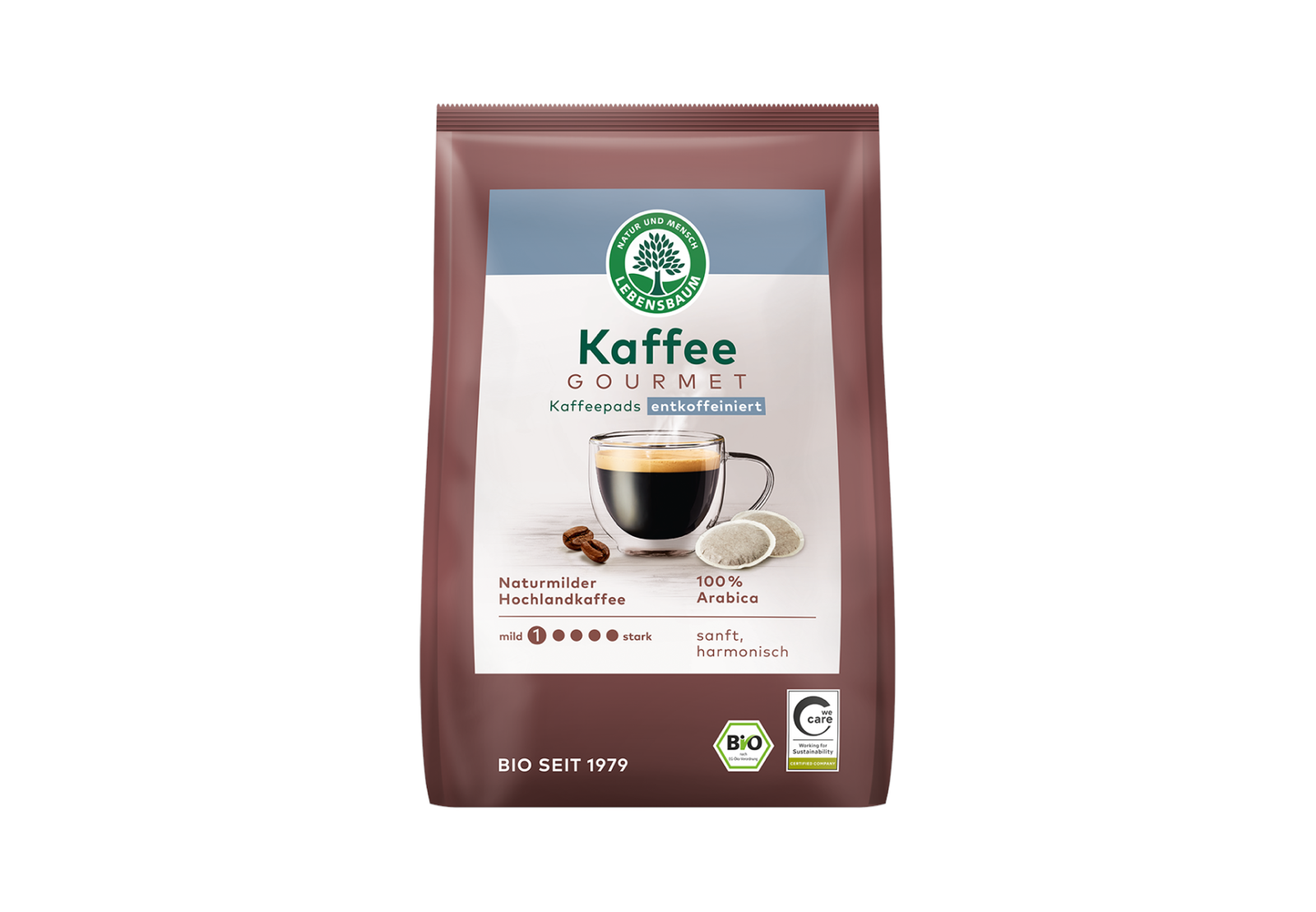
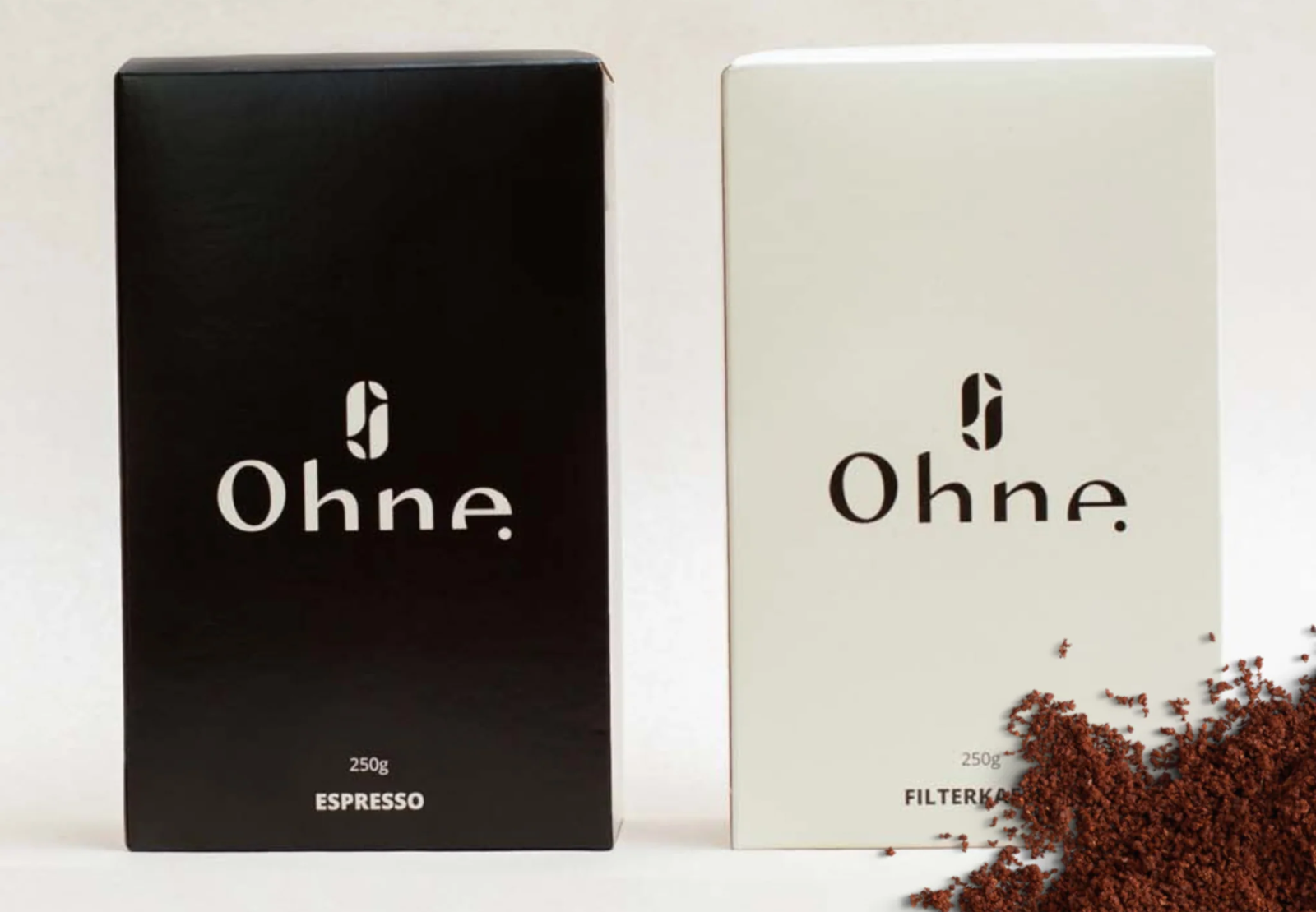
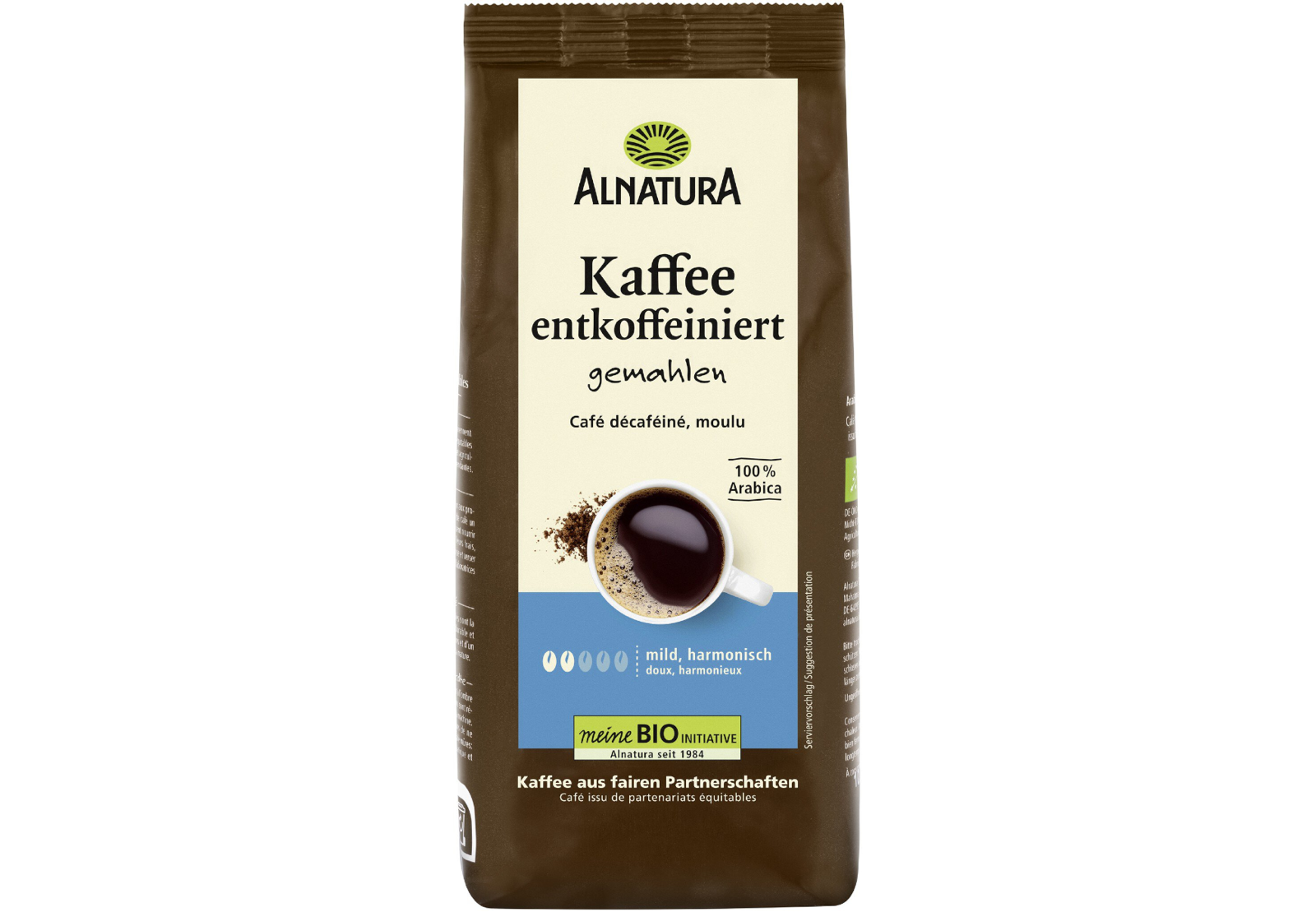
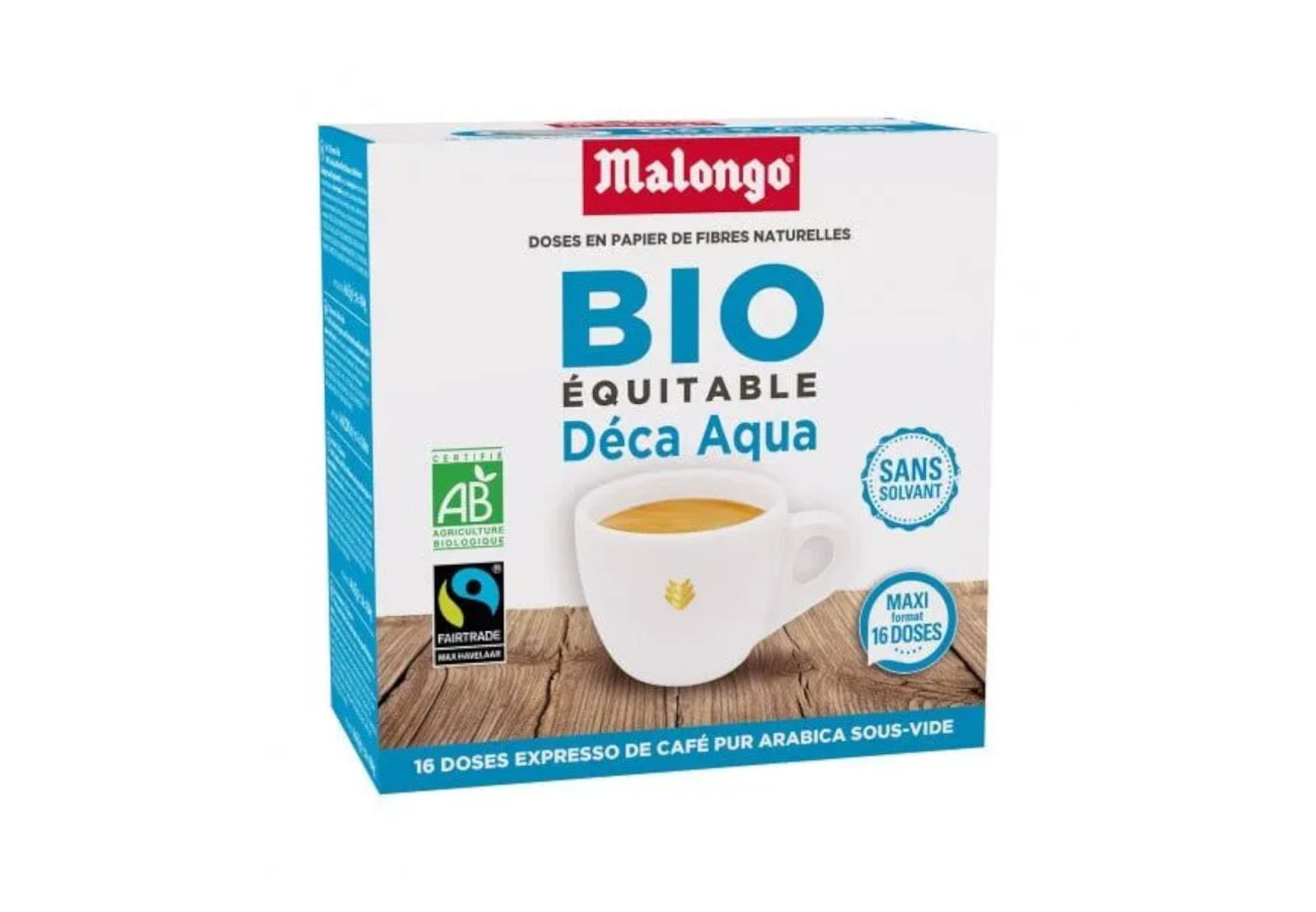
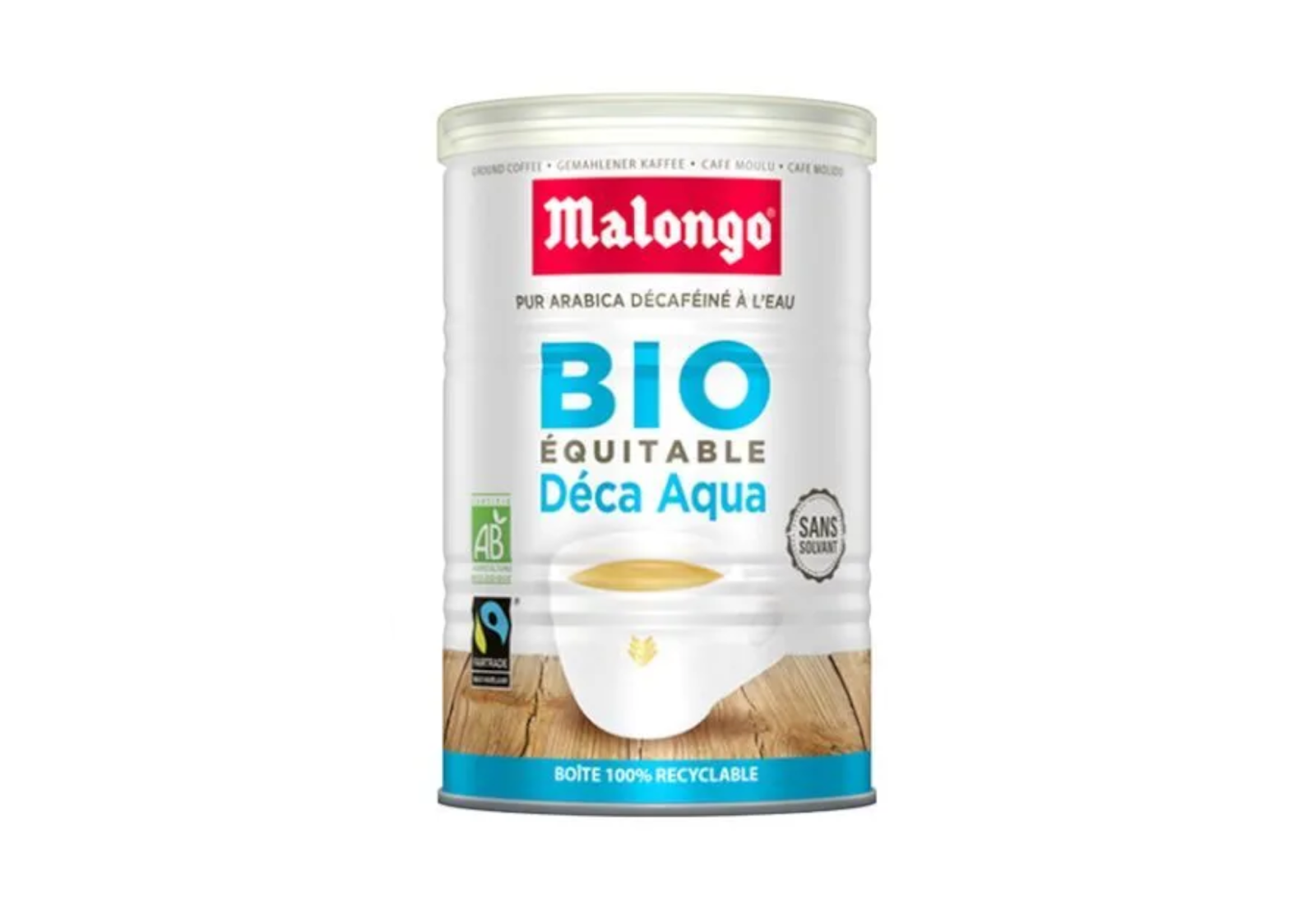
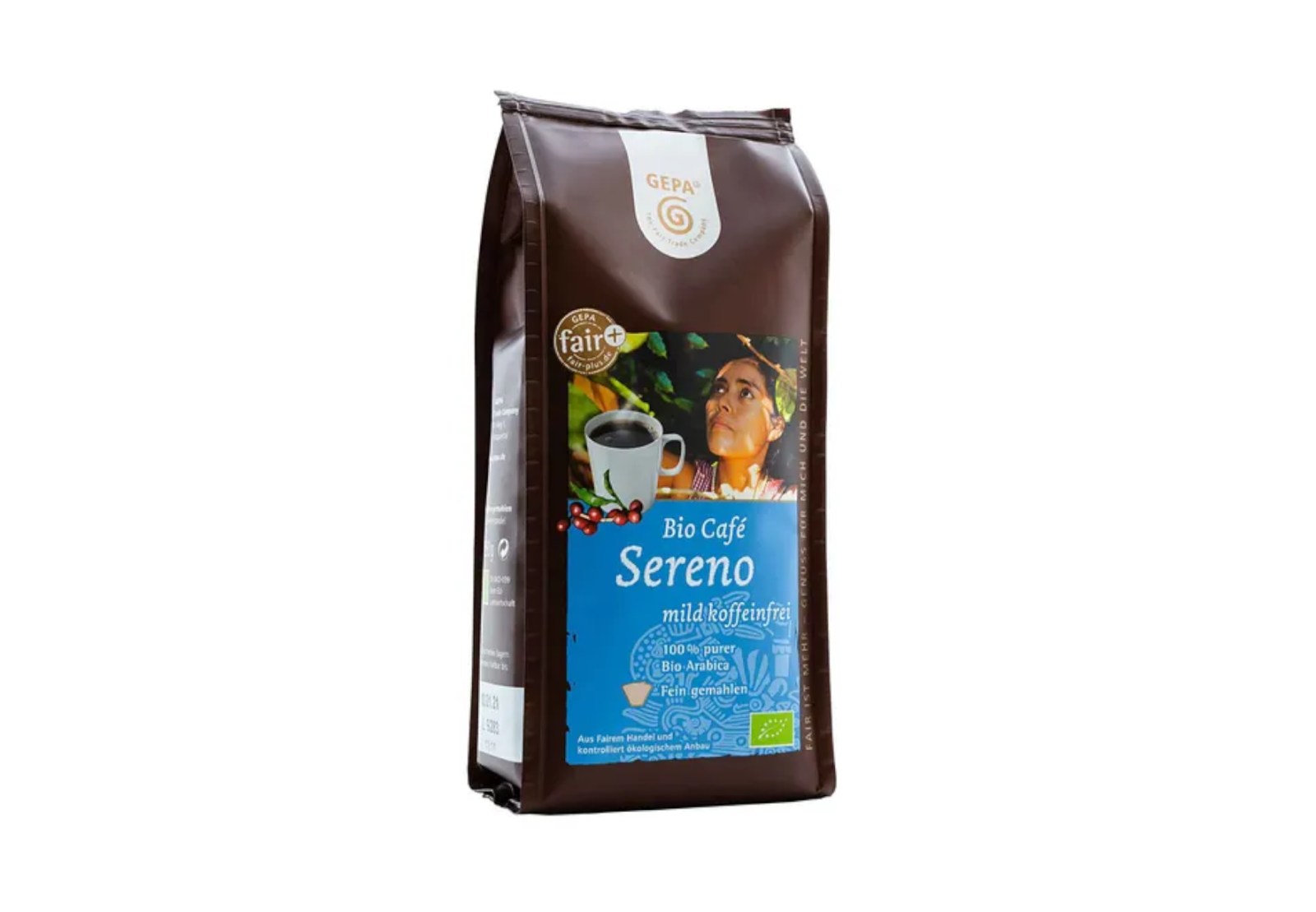
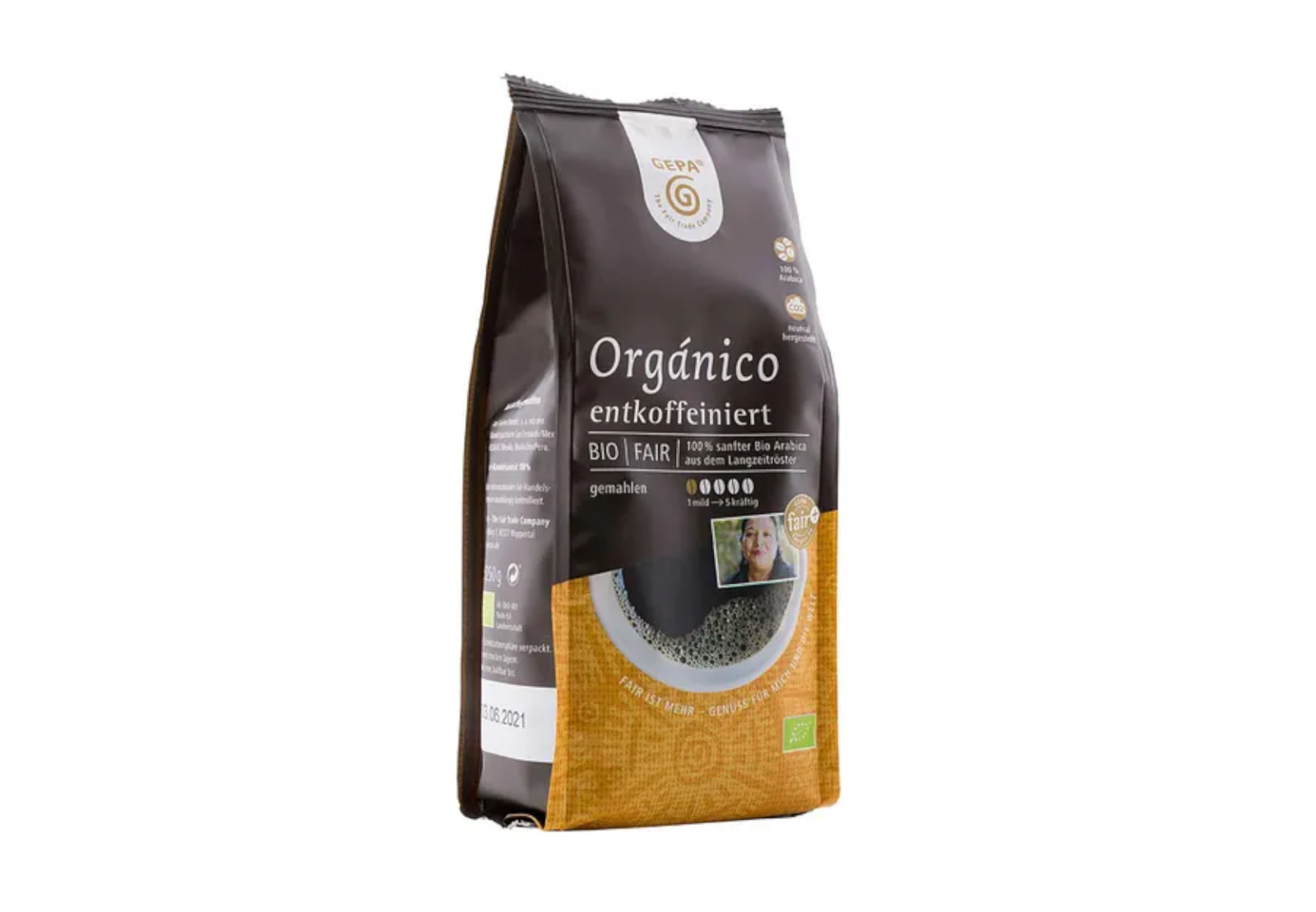
Our product recommendations:

In short:
Decaffeinated coffee is a genuinely satisfying alternative for anyone who wants the flavor of coffee without the side effects. Whether you’re sensitive to caffeine or simply have a delicate stomach, decaf is the right call. Choosing an organic coffee that’s been decaffeinated using water does right by both your palate and the planet. So go ahead — treat yourself to a cup of organic decaf, and enjoy the flavor without compromise.