Ecolodges instead of concrete hotel blocks, wooden boats instead of yachts, small-group tours led by locals: Costa Rica has built its tourism industry on sustainability rather than mass appeal, and its flora and fauna are the beneficiaries. Here’s how the country of the “rich coast” pulls it off — and which hotels will make your stay unforgettable.
By Saskia Ruttmann
What actually makes tourism sustainable?
Sustainable tourism has spent the past several years gaining ground as the natural counter-movement to mass tourism. But what does the term actually mean in practice?
Sustainable tourism — sometimes called soft tourism — means traveling in step with nature and with the people who call a place home. Its goal is to leave the smallest possible footprint on both the environment and the local population, without asking travelers to sacrifice an ounce of comfort. Locals’ quality of life shouldn’t suffer because of tourism; ideally, it improves, through fairly paid jobs and genuine economic opportunity. Resources aren’t squandered, and nature is left intact.
Costa Rica, in green
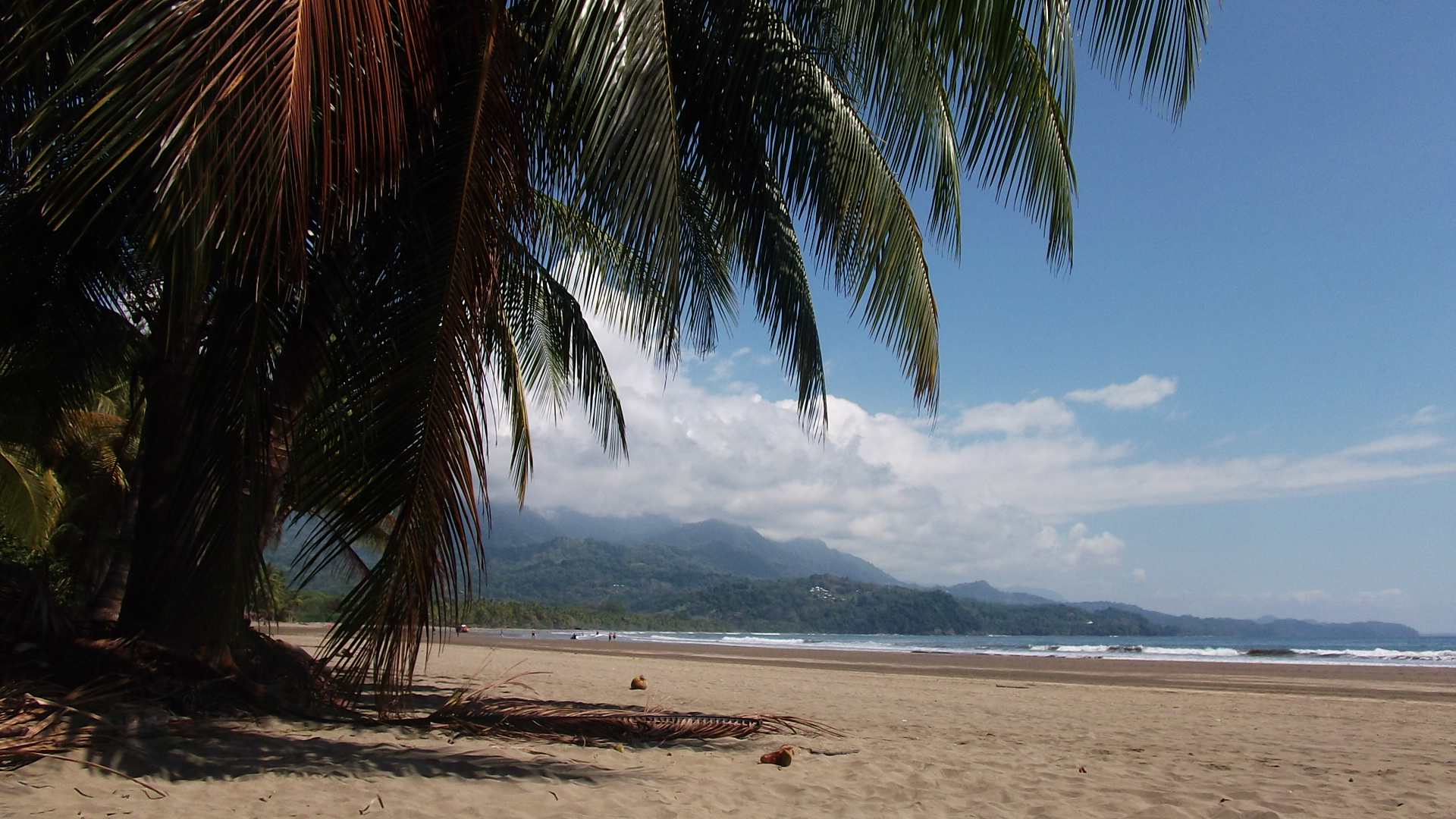
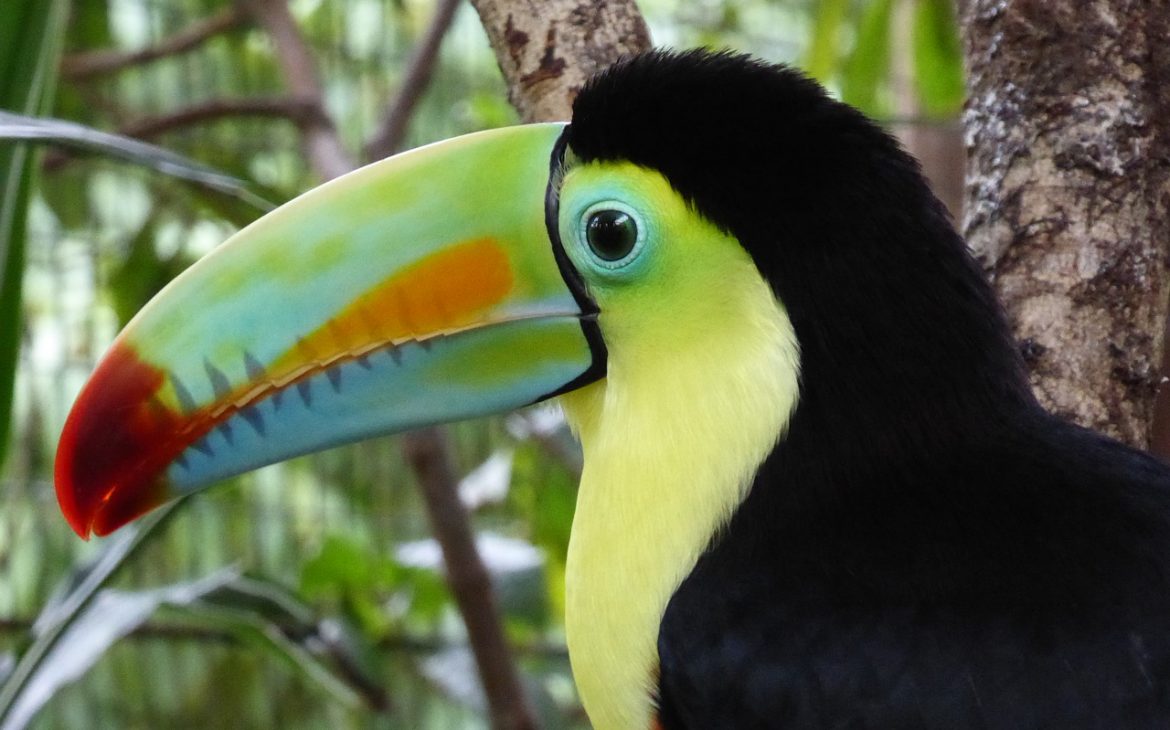
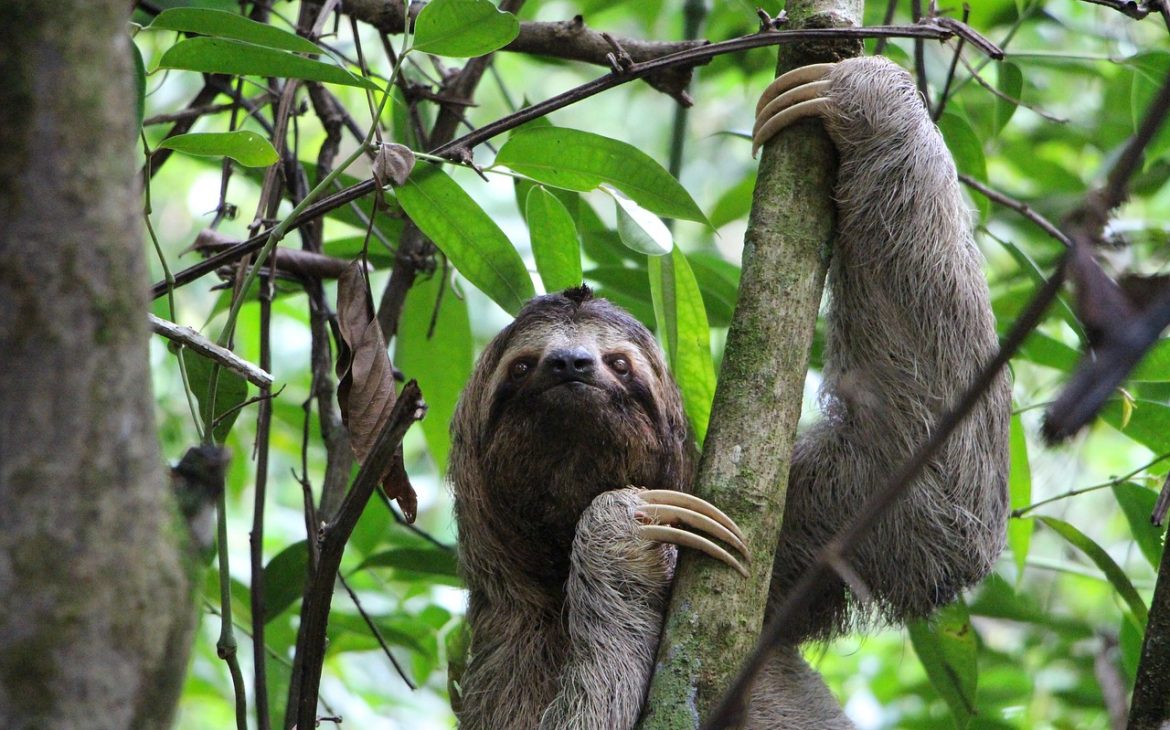
Since the 1980s, this small Central American nation has committed itself to tourism that treads as lightly as possible. Eco-conscious accommodations have been actively encouraged ever since, precisely because there is so much natural richness here worth protecting. Despite its modest size, Costa Rica is home to 5 percent of the world’s biodiversity and 3.5 percent of its marine life, and more than half the country is blanketed in primary or rainforest.
Champion of the Earth
A full quarter of the country’s land area is protected as nature reserve, and Costa Rica draws nearly all of its electricity from renewable sources. In 2019, the United Nations recognized these efforts with its highest environmental honor, naming the country a “Champion of the Earth.”
A pioneer in eco-tourism
Beyond government support for sustainable tourism, Costa Rica has created its own certification, reserved for tourism businesses that meet a genuinely high sustainability bar. The CST seal (Certification for Sustainable Tourism) — a green leaf rendered with the features of a human face — is awarded by the national accreditation commission, which evaluates everything from environmental impact to educational outreach and the socio-economic relationship between a business and the communities and workers it touches.
Who carries the CST seal?
Around 400 accommodations and tour operators across Costa Rica hold the CST seal. Hotels, restaurants and car rental companies are assessed on a scale of 0 to 5 for their sustainability practices, judged against criteria that include:
-
Active environmental protection
-
Water management
-
Waste disposal
-
Use of biodegradable products
-
Energy-saving programs
Award-winning properties have been built from reclaimed wood, run entirely on solar heating, or serve only regional, seasonal food. You’ll find a selection of CST-certified hotels further down in this piece.
The most beautiful spots for your stay
Concrete hotel blocks are a rare sight in Costa Rica. In their place, a wealth of eco-lodges and sustainable hotels deliver genuine luxury deep in nature, without costing the earth.
Arenas Del Mar
Arenas Del Mar is a luxury resort on the edge of Manuel Antonio National Park, framed by white sand on one side and jungle on the other. With two infinity pools looking out over the ocean, direct beach access, and richly appointed suites, it ranks among the country’s finest hotels.
Holding the CST Elite seal, it promises a luxurious stay with a minimal footprint. Construction felled as few trees as possible, and 7,000 new ones have since been planted. Part of the roof is made from recycled plastic bags collected from the local banana industry.
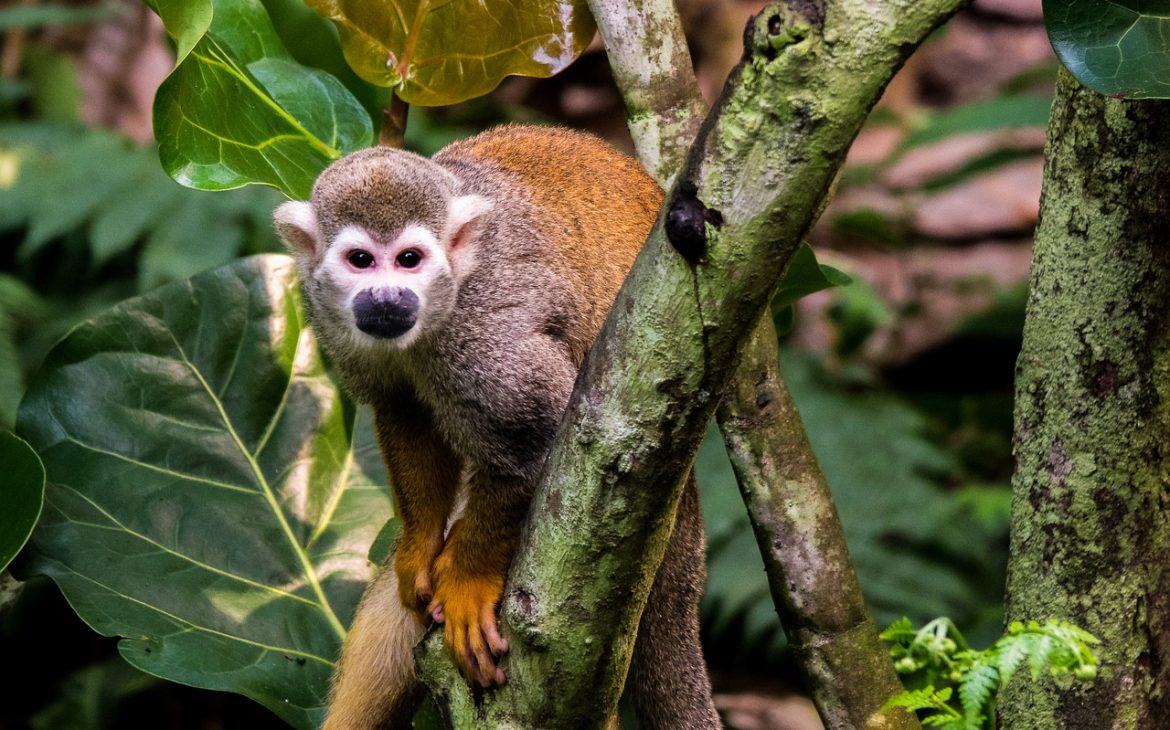
A standout detail: Most of Costa Rica’s power lines run overhead, a hazard that costs hundreds of thousands of animals their lives every year — for monkeys, in fact, it’s the single leading cause of death. Arenas Del Mar buried its power lines underground specifically to spare local wildlife that fate.
Pacuare Lodge
Pacuare Lodge sits inland, near the country’s two tallest volcanoes, Turrialba and Irazú. Built directly on the banks of the Pacuare River, its 20 luxury suites promise a stay unlike any other, deep in the rainforest. Pacuare Lodge carries the CST Elite seal and takes a holistic approach to sustainability: the roofs of its small lodges are woven from gathered palm leaves, every dish on the menu is organic, and the property generates its own electricity.
A standout detail: An infinity pool set in the rainforest that uses no chlorine or other chemicals whatsoever. It was built on ground that was already clear of vegetation, and its water is drawn from a mountain spring.
Hotel Cristal Ballena
Set directly on the stunning Bahía Ballena — between white sand and rainforest-covered mountains — the four-star Cristal Ballena takes its name from the bay’s sandbar, which curves out into the ocean like a whale’s fin. In this remarkable setting, the hotel’s spa and pool let guests enjoy their stay with as light a footprint as possible. Cristal Ballena holds the CST 4 seal and supports animal welfare projects and local environmental NGOs.
Hotel Parador & Spa
The five-star Parador sits on the edge of Manuel Antonio National Park. Built on the concept of “lujo responsable” — responsible luxury — it pairs top-tier indulgence with genuine conservation. Between three ocean-view pools, an expansive spa, a tennis court and more, there’s little left to wish for. Hotel Parador holds the CST Elite seal.
Nayara Springs
Nayara Springs is a five-star hotel near Arenal Volcano with an award-winning spa. Set deep in the rainforest, it offers a stay unlike anywhere else in nature and carries the CST 4 seal. Its wide range of guided tours lets you take in local culture and the flora and fauna surrounding Arenal up close.