© The Ocean Cleanup
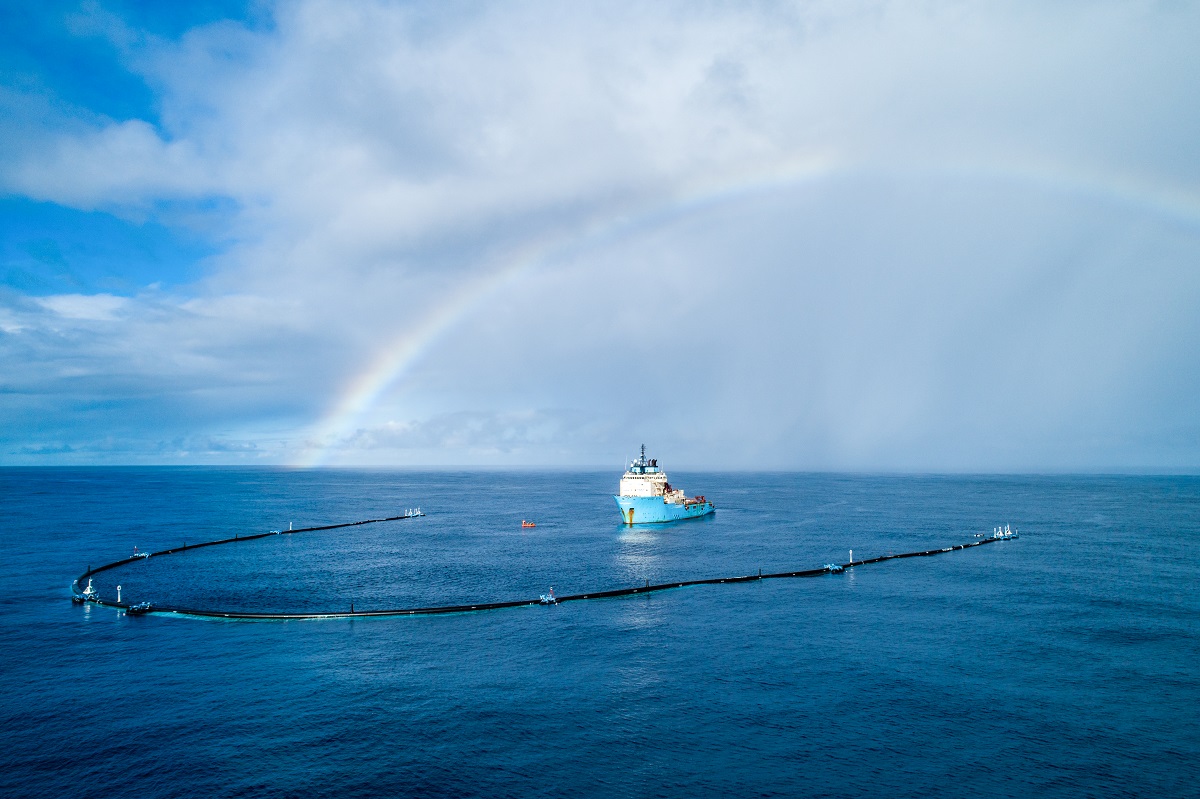
The mission to rid the seas of plastic launched last September, when a 600-metre floating structure took to the Pacific to gather up debris that has no business being there. The Ocean Cleanup, the brainchild of Dutch inventor Boyan Slat, set itself the goal of hauling roughly 35,000 tonnes of plastic waste out of the ocean over five years. Technical trouble, though, forced the mission to be cut short ahead of schedule.
By Sarah Marx
System 001 Set to Return to Sea in 2019
Until recently, the structure drifted on the surface between California and Hawaii, made up of two collection arms and a skirt reaching three metres beneath the surface, designed to trap and corral plastic waste. The plan was to lift the gathered plastic from the sea and ship it off for recycling. But before that could happen, an 18-metre section broke away from the end of one arm in late December, cutting the mission short before meaningful amounts of plastic — or data on how it behaves in the water — could be collected. System 001 is now back on land for repairs, with a return to sea planned later in the year.
From Teenage Dream to Global Environmental Project
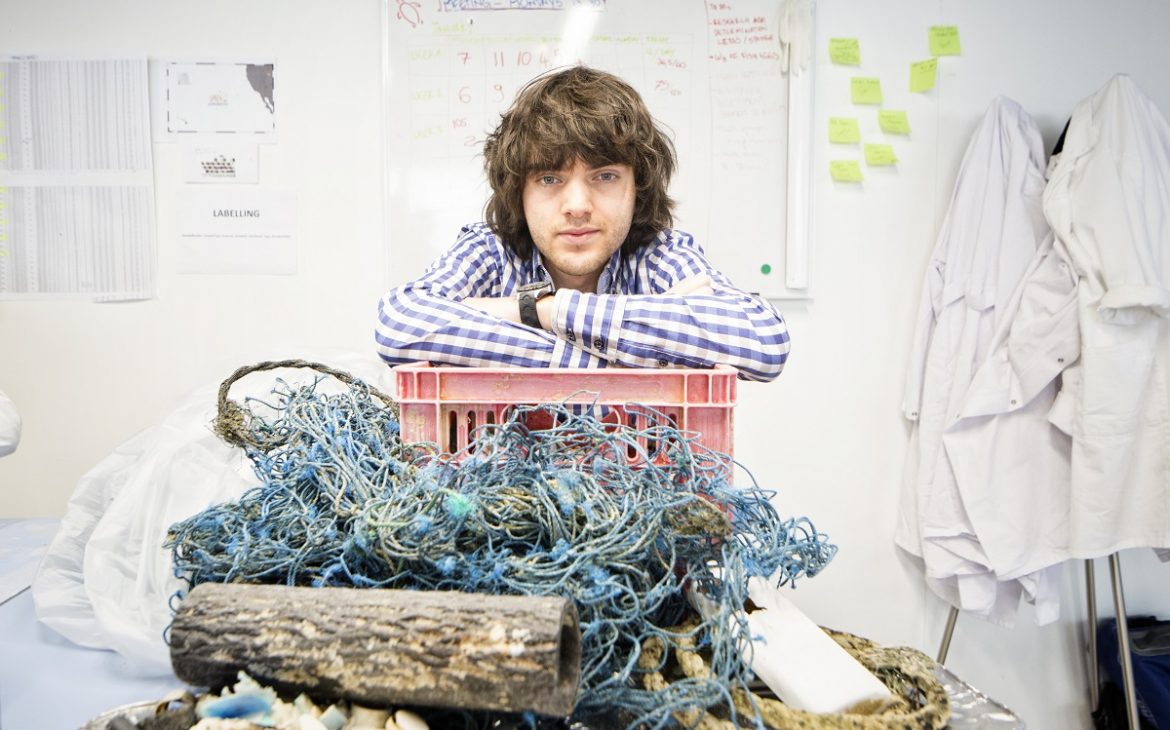
It all started in 2011, when a young Boyan went diving and found more rubbish than fish. From that dive came the idea of a vast, ocean-powered debris collector — driven purely by wind, waves, and currents. Slat’s vision earned him a string of awards, and a TEDx talk titled “How the Oceans Can Clean Themselves” brought not just media attention but the backing of businesses, scientists, and even the Dutch government.
The Toll of Ocean Pollution
The WWF estimates that between 4.8 and 12.7 million tonnes of plastic waste enter the oceans every year. Marine mammals, fish, and seabirds pay the price, becoming entangled in discarded fishing nets, six-pack rings, and plastic bags. Because synthetic waste never fully breaks down — it simply fragments into ever smaller pieces — it’s easily swallowed, causing severe damage to animals’ digestive tracts. Coral reefs, too, are damaged by drifting debris and suffer from the chemicals plastics release. Greenpeace has a vivid way of putting this burden into human terms.
How Plastic Finds Its Way to the Sea
Most of the plastic drifting in the ocean originates in Asian countries such as China and India, largely because of inadequate waste management systems that leave people with little choice but to dump rubbish directly onto streets and into waterways. Wind and rivers carry it onward until it eventually reaches the sea. Other culprits include shipping accidents, fishing nets abandoned on the open ocean, and natural disasters like tsunamis, which drag coastal debris back out to sea in their wake.
The Ocean Cleanup is the world’s first attempt at cleaning plastic from the ocean at scale — but worthwhile as such projects are, individuals can also make a real dent in their own plastic footprint. Here are five ways to start.
5 Tips for a Lower-Plastic Life
Buy unpackaged food — whether from the bakery, the supermarket, or the weekly farmers’ market, plenty of groceries don’t need plastic film at all and can travel home in reusable paper bags. A visit to a package-free shop is also a genuine eye-opener for shopping without waste.
Buy in bulk or opt for refill packs — better for the planet, and kinder to your wallet too.
Travel sustainably — bring your favourite coffee along in your own thermos on the commute, quench your thirst at the office with drinks from reusable bottles, and do your evening shopping with cloth bags.
Skip the microplastics — certified natural cosmetics not only avoid harsh ingredients but are also always free of synthetic polymers.
Choose plastic-free everyday essentials — from bamboo toothbrushes to glass straws to silicone menstrual cups, the range of environmentally friendly products is vast, and buying them often supports social projects too.
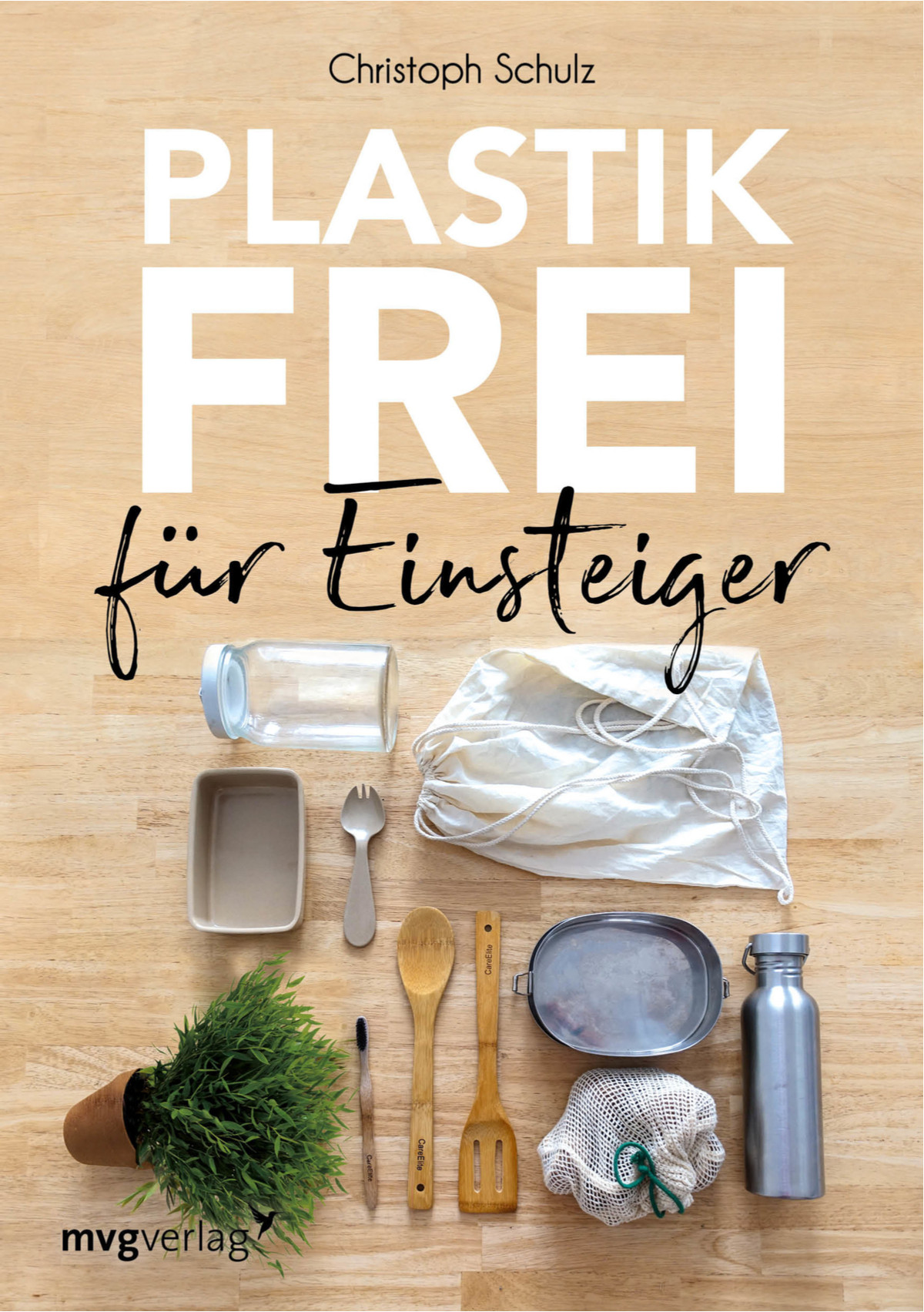
For more ways to cut plastic from your life, pick up Plastikfrei für Einsteiger by Christoph Schulz, founder of the environmental project CareElite, dedicated to making society less reliant on plastic. His beginner’s guide pairs hard facts about plastic pollution with simple recipes for making your own cleaning products, toothpaste, and deodorant from just a handful of natural ingredients. “Plastikfrei für Einsteiger” is published by mvg-Verlag and available for €14.99.